
TL;DR
- Dynamic Search Ads are being folded into AI Max, with a voluntary phase-one upgrade window running first and all remaining accounts switched automatically in September.
- DSA scanned page content and waited for a matching query, while AI Max applies predictive modelling across signals including user history, location and real-time market trends, and can match even when the keyword is not written on the landing page.
- Accounts left to upgrade automatically risk unanticipated changes in cost per lead and click quality, so search term reports, placements and spend should be audited immediately after the switch.
- Guardrails matter more under automation: negative keywords to block off-base traffic, explicit brand and location controls in campaign settings, and accurate conversion values so the system chases profit rather than cheap leads.
Big changes are hitting your advertising toolkit as the automated search features you have relied on for years prepare for an upgrade. For a long time, teams have used systems like Dynamic Search Ads to catch the traffic their keyword lists missed. Now, those systems are being folded into a newer, more centralized framework. Understanding how these legacy tools are being retired is the first step toward protecting your lead quality and account health throughout 2026.
It cannot be overstated how important early adoption is for your performance. When you move to the new tools sooner rather than later, you give your account the necessary headroom to gather data, learn your audience, and adjust its bidding logic before the mandatory cutoff. Waiting until the last minute is a recipe for a performance dip, as the algorithms won’t have enough time to calibrate to your specific business goals. This isn’t just another platform update—it is a chance to rethink how you reach customers using better technology.
- Understanding the Shift: Why Google is Replacing Dynamic Search Ads
- The Migration Timeline: Managing Your Transition to AI Max
- Optimizing Your Strategy for the New AI-Driven Search Suite
Understanding The Shift: Why Google is Replacing Dynamic Search Ads
We have all watched how shopping and browsing habits have flipped on their head over the last decade. The old way of managing search campaigns was rigid—you built a keyword list, you wrote an ad, and you hoped for a click. Today, that level of control feels antique. When people search, they are often using voice commands, image recognition, or conversational queries that simply do not map to a standard list of keywords.

The Evolution of Search Behavior
Customer journeys are no longer linear. A person might browse reviews, watch a video, scroll through social media, and only then return to the search bar to buy. Because customers jump across so many different channels, legacy tools that focus solely on their website content have a hard time keeping up.
The old DSA method was strictly reactive. It scanned your page content and waited for a matching search query. By contrast, the new models analyze the intent behind the search, the broader user context, and the likelihood of a conversion. It is less about matching text and more about understanding the person behind the screen.
How AI Max Differs From DSA
The move toward AI-driven search is a total departure from basic site-crawling. AI Max brings predictive modeling into the fold. Instead of just checking if a keyword exists on your landing page, the system looks at a massive set of signals, including user history, location, and real-time market trends.
Old-school tools were limited by the text on your pages. If a landing page was sparse, the ads struggled to fire. AI Max doesn’t have that problem. By using your account’s broader conversion history, it can find matches that make sense for your business, even if the keyword isn’t written explicitly on the page. It is a more proactive way to get your product in front of the right people.
The Migration Timeline: Managing Your Transition to AI Max
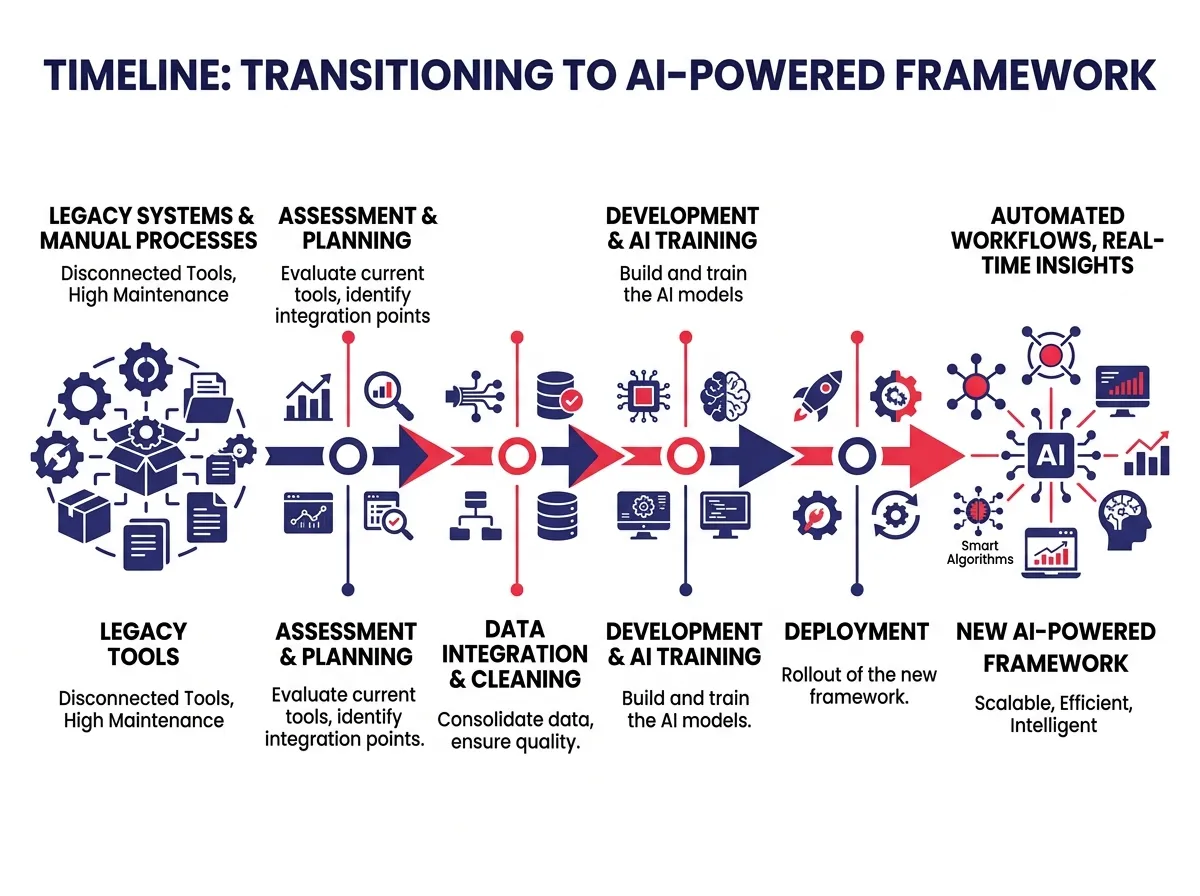
Planning for this shift is non-negotiable. If you let the system switch over automatically at the last minute, you risk a drop in volume and efficiency. By taking the reins now, you ensure the AI builds off your existing campaign history instead of starting from scratch.
The Phase One Voluntary Upgrade Period
The current voluntary window is the best time to act. You can review your current setup, experiment with different structures, and watch how the new AI handles your traffic while the old tools are still active. Check your account settings in Google Ads and start migrating your most important campaigns.
Prioritize the ad groups that rely most heavily on web-based matching. Once you identify those, build out the new campaign structure with your specific goals and creative assets. By doing the work now, you keep control over the process. You can verify that your conversion tracking is clean and that your landing pages are performing exactly how you want them to before the final cutoff.
Preparing For Automatic Upgrades in September
In September, all remaining accounts will be shifted to the new system automatically. This automated process attempts to map your old settings to the new tools, but it lacks the nuance you would bring to the table. If you let this happen automatically, you might find that your cost per lead or click quality changes in ways you did not anticipate.
If you miss the early window, audit your account immediately after the upgrade. Check your search term reports, your placements, and your spend. You might need to add exclusions or adjust your negative keyword lists to train the model. Even with automation, you are still the architect of your success. If you stay active and vigilant, you can fix the gaps caused by the automated transition.
Optimizing Your Strategy for the New AI-Driven Search Suite
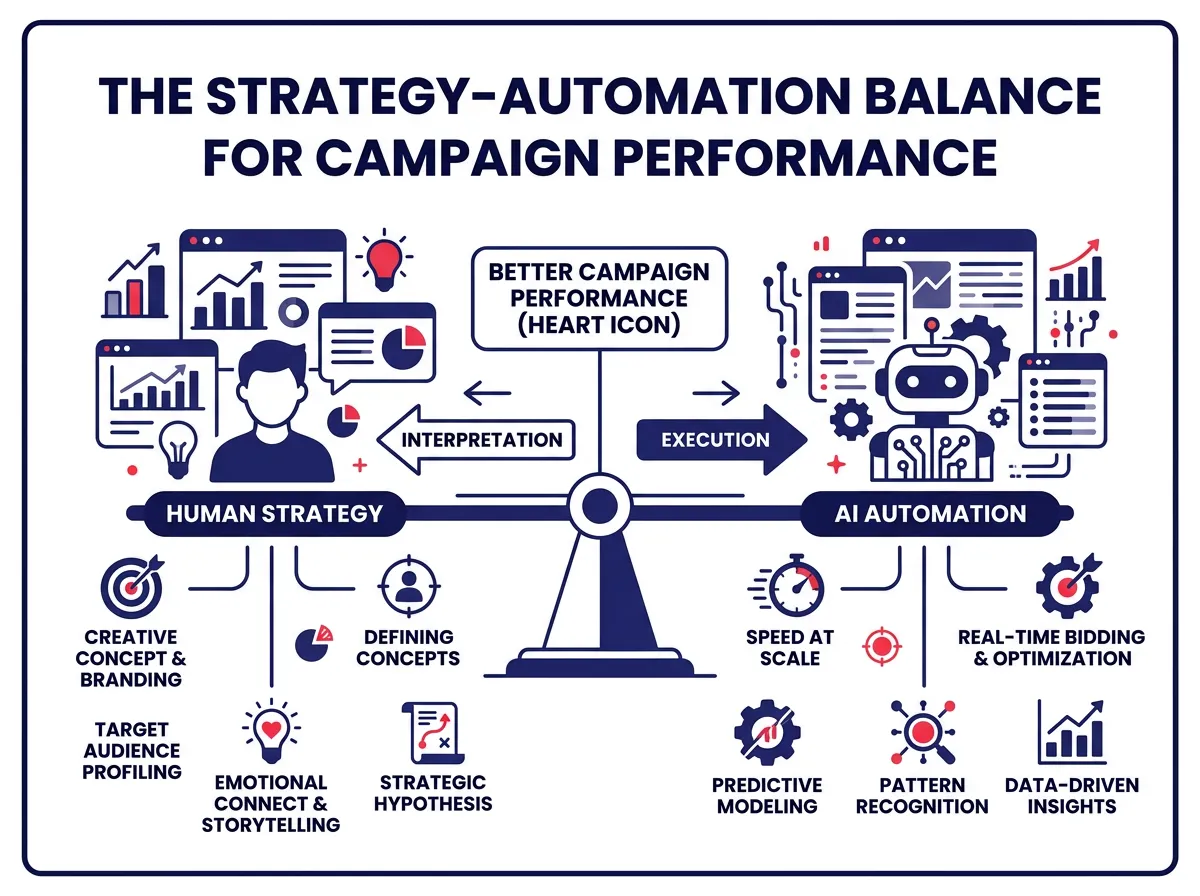
Moving your campaigns to the new framework is not the end of the job. It is the beginning of the optimization phase. You cannot just set it and walk away. You need guardrails to make sure the machine works for your business and not against it.
Leveraging AI For Better Conversion Value
Success today isn’t about getting clicks—it is about the value of the conversion. AI Max is designed to find users who provide a high return on investment. If you pass clear data back to the system, it will optimize for those high-value outcomes rather than cheap leads.
Refine your conversion tracking now. Ensure your account is passing accurate dollar values for sales or leads. By feeding the model information on what a “win” is worth, you force it to chase profit rather than pure, low-intent volume. The system can only be as smart as the data you feed it.
Balancing Keyword Strategy with Automation
There is a misconception that automation destroys the need for keyword strategy. The truth is quite the opposite. Because AI uses broad signals to fill the gaps, your guardrails are more important than ever. Use negative keywords to block traffic that is clearly off-base.
Use brand and location controls. If you have specific regional requirements or must protect your brand name, set those rules explicitly in your campaign settings. Tell the machine where it can explore and where it is forbidden from going. Manual keyword research is still a vital skill—use it to identify trends and scale your successes, while letting the AI do the heavy lifting of matching queries to your content.
In the coming year, treat these changes as tools, not roadblocks. When you understand how the AI is processing your business data, you maintain the upper hand. The goal is to build a partnership between your industry experience and the scale the current platforms provide. Monitor your data, test new features before they are mandatory, and keep a grip on your brand restrictions, and you will stay ahead.
Avoid the “set it and forget it” mindset. Algorithms are fast, but they don’t know your business. They don’t know your inventory status, your seasonal staffing, or the plans you have for the next two years. You are the bridge that connects those real-world business factors to the machine’s logic. If you see the performance drifting away from your goals, pause, look at your inputs, and fix the settings.
Your search ads are simply a reflection of the signals you provide. If you feed the system clean, high-value data, it will perform well for you. If your account is cluttered with legacy settings and broken tracking, the AI will get lost. Clean up your account today. It is the only way to ensure the transition to the latest generation of search tools actually improves your results.
Looking forward, the role of the search marketer will focus more on data orchestration, creative direction, and high-level strategy. The platform handles the tactical clicks and bids, so your value now lies in your ability to maintain data hygiene and audience strategy. Shift your focus to these areas and you will thrive. Technology changes, but fundamentals like these remain the same.
Visit the dashboard support resources if you get stuck on a setting. There is a mountain of information available that explains how these new campaign types and bid strategies function. Your ability to learn and iterate is truly your greatest asset in this new era.
As you navigate the updates, stay focused on the metrics that actually move the needle. Don’t stress over daily noise—look at trends over three or four weeks. Adjust your strategy based on long-term growth rather than short-term fluctuations. If you keep a steady hand and a clear vision, this transition will provide more potential for growth than any legacy system ever did. The future belongs to those who adapt and stay intentional, no matter how much the interface changes.