TL;DR
- From 10 July 2025, public content from Instagram professional accounts, meaning business and creator profiles, became discoverable through search engines such as Google.
- Indexing was enabled by default and only applied to public profiles of users over 18; private and personal accounts were unaffected, and the setting could be switched off in the privacy menu.
- The indexable content types listed were single images, video posts, carousel content and Reels, with captions, alt text and possibly hashtags forming the searchable information.
- Performance tracking was split across two tools: Instagram Insights reports this traffic under external sources, while Google Search Console shows impressions, clicks and rankings for Instagram URLs.
Introduction
Instagram is changing the way its platform's content interacts with the wider web. Starting July 10, 2025, all public content from professional accounts (business profiles and creator profiles) will be discoverable through search engines such as Google. This includes images, videos, Reels, and carousel content. For marketers, influencers, and brands, this change opens up new opportunities to increase visibility, but it also brings new responsibilities in terms of SEO and content strategy.
What Is Changing on July 10, 2025
Instagram's new policy will allow content from professional accounts to be indexed by search engines automatically. This feature will be enabled by default, but users can turn it off manually in their privacy settings. Only public profiles belonging to users over the age of 18 will be affected. Private and personal accounts will not be impacted by this change.
This development represents a shift in Instagram's identity, from a semi-closed platform to a discoverable ecosystem that interacts directly with web search. It turns Instagram into more than a visually focused social network, making it a repository of content accessible through Google and other search engines.
Why This Matters for SEO
Including Instagram content in search results changes the game for digital marketers and SEO specialists. Traditionally, Instagram has operated outside the scope of SEO, with most optimization efforts focused inside the app itself, such as hashtags, engagement timing, and algorithmic trends.
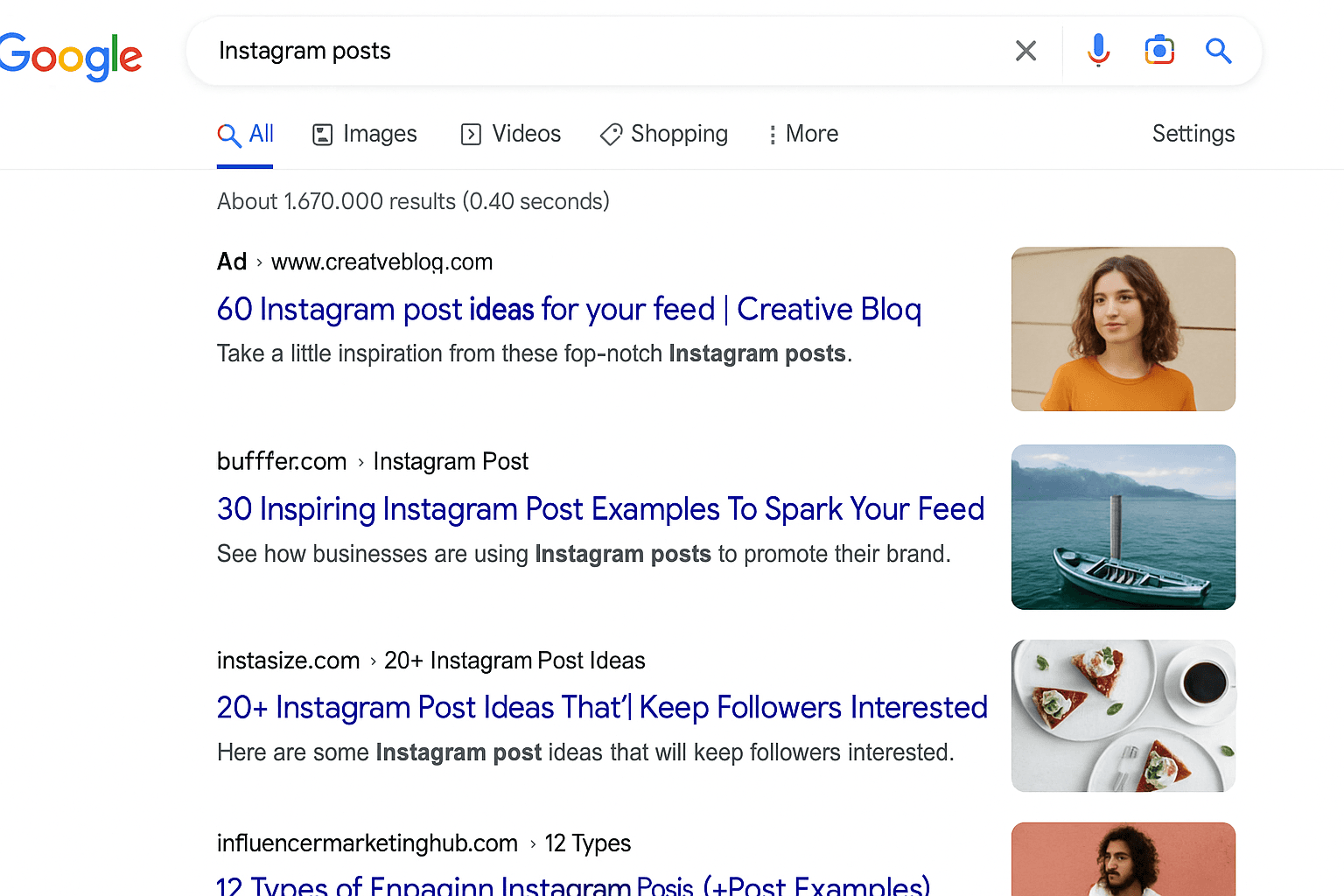
Now, Instagram content has become a player in the broader landscape of organic search visibility. Businesses and creators can reach new audiences who are searching on Google, not just scrolling through Instagram. SEO principles such as keyword usage, metadata optimization, and user intent are therefore relevant to Instagram in ways they never were before. Understanding these principles can be strengthened through resources such as Content Marketing.
How Instagram Content Gets Indexed
The integration of Instagram with search engines will not depend on technical changes to search engine crawlers. Instead, the platform will provide visibility through a new setting in the privacy menu: “Allow public photos and videos to appear in search results.” For eligible accounts, this feature will be enabled by default.
Search engines will access and index Instagram content based on its public status. That means if your professional account is public and this setting is enabled, your posts can appear in search results. The types of content that can be indexed include:
- Single images
- Video posts
- Carousel content
- Reels
Captions, alt text, and possibly hashtags will be part of the searchable information, turning Instagram posts into miniature web pages that can rank for relevant searches.
The Role of Captions and Alt Text on Instagram
Once Instagram content becomes eligible for indexing, captions and alt text take on greater importance. Captions act as the primary block of text that search engines read and interpret, much like a blog post or web page. Using relevant, natural keywords in your captions can help Google understand what your content is about.
The first line of the caption is especially important—it functions much like a page title in search results. This is where you should include your primary keyword or topic, but in a way that still feels natural and engaging to your audience on Instagram.
Alt text, which was created to improve accessibility for visually impaired users, also holds value for SEO. Instagram allows users to enter alt text manually when posting images. This alt text serves two purposes: it improves accessibility and helps search engines understand the content. For more information on improving visibility, you might consider exploring Display Advertising.
Performance Tracking Across Platforms
As Instagram content enters the world of web search, marketers will need to track performance both in Instagram Insights and in tools like Google Search Console. Instagram Insights will show traffic under “external sources,” helping you understand how many users discovered your content through search.
At the same time, Google Search Console will provide data on impressions, clicks, and rankings for Instagram URLs. Understanding how your Instagram posts perform in Google search can help refine your content strategy, allowing you to focus on the posts that generate the most search traffic.
This parallel tracking approach may require new workflows or tools that combine social and search data in a single dashboard. The complexity increases, but so does the opportunity for growth. To make these processes more efficient, businesses might use services such as Remarketing.
Strategic Content Planning for Search and Social
Instagram content now has to serve two groups: those who scroll passively, and those who search with intent. These audiences have different goals. People on Instagram may be looking for inspiration or entertainment. People on Google are usually looking for answers, products, or services.
To meet both needs, content must be created with a blended approach. Here are some strategies to consider:
- Use keyword-rich but natural captions: Avoid keyword stuffing. Focus on writing captions that are engaging while still including the words people might search for.
- Optimize your bio: Your Instagram bio now functions like a mini homepage. Use clear, concise language with keywords relevant to your business, niche, or location.
- Take advantage of pinned posts and highlights: These now serve as entry points for search traffic. Make sure they present your brand effectively.
- Create evergreen content: Because search visibility can last longer than social engagement, focus on content with longer-term relevance.
For those looking to enhance their overall marketing strategy, Influencer Marketing offers additional opportunities to expand reach and engagement.
Privacy and Professional Considerations
While increased visibility is good for growth, it also raises questions about managing your digital footprint. Content intended for a specific audience on Instagram may appear in unrelated Google searches. This phenomenon—known as context collapse—can affect how your content is perceived by different groups.
Professional accounts need to think more carefully about the long-term impact of their posts. What looks fun or trendy today may become an unintended search result tomorrow. This means content planning should involve not only marketing considerations but also reputation.
If you are not comfortable with this level of exposure, Instagram provides the option to turn off indexing. However, doing so may limit your content's potential reach. For tailored advice, professionals can explore options through Digital Marketing For Startups.
Industry Context and Future Outlook
Instagram's move reflects a broader trend: the convergence of social media and search. Platforms like TikTok and YouTube already appear prominently in search results. Instagram joining this space marks an important step in content discovery.
Search engines are becoming more visual, and social platforms are becoming more searchable. This convergence means the line between SEO and social media marketing is fading. Forward-thinking marketers will need to adapt by developing unified strategies that work across both domains.
As search engines continue to expand the types of content they index—EPUB files, podcasts, videos, and now social posts—expect even more change in how content is discovered and ranked. Staying ahead requires insights from various fields, such as Programmatic advertising.
Conclusion
Instagram's decision to allow professional content to be indexed by search engines marks a turning point in digital marketing. What was once a platform for visual engagement is now a key player in the search ecosystem. For marketers, creators, and businesses, this means new opportunities for visibility—but it also brings new challenges in content planning, SEO, and privacy management.
To stay ahead, professionals must start treating Instagram content as part of a larger SEO strategy. From optimizing captions and alt text to tracking performance across platforms, the future of Instagram is search-driven, and with this change, the importance of clear, authentic, keyword-optimized content has never been greater. For further advice, consider reaching out to the experts at Contact Us.