![[Relevant Audience] SEO JUN C01 1 1200x628](/_next/image/?url=https%3A%2F%2Fypkxvhriisnfa5zf.public.blob.vercel-storage.com%2FRelevant-Audience-SEO-JUN-C01-1_1200x628-2-XTFidRtvFsCixhzqy0ZjPmxWuM1RNo.jpg&w=3840&q=75)
TL;DR
- Google addressed its site reputation abuse policy in the March 2024 core update and put it into actual effect in early May 2024, with consequences ranging from lower rankings to full de-indexing.
- Site reputation abuse is third-party content published on a host site with little or no first-party oversight, riding that site's ranking signals; the post calls it SEO piggybacking and says targets are usually well-known brands, news sites and sites that accept sponsored content.
- Three common forms are listed: fake reviews, ranking manipulation via keyword stuffing, low-quality backlinks and link schemes, and spam messaging that disguises itself as the host site.
- Detection is split into monitoring tools, naming Google Search Console, Google Analytics and Moz Pro, and user behaviour metrics: bounce rate, time on site and conversion rate.
- In the 6 May 2024 update Google said it had begun tackling the abuse through manual action, with staff reviewing sites and de-indexing spam; prevention advice covers a clear published policy page, a web application firewall and a CDN against DDoS attacks.
When doing SEO on a search engine like Google, website owners and brands must keep a constant eye on Google Algorithm updates, also known as the “Core Update,” because each update can affect how a website is ranked. In the Core Update of March 2024, Google addressed its Site Reputation Abuse (SRA) policy, which went into actual effect in early May 2024 and could impact the Ranking of many websites, or even get them De-Indexed from search results entirely. So what is Site Reputation Abuse, and how important is it to SEO?
In this article, Relevant Audience will clear up the confusion around Site Reputation Abuse, so that website owners, businesses, and brands can Optimize their websites to the highest possible quality.
What Is Site Reputation Abuse?
Site Reputation Abuse is when a website owner (First-Party) allows a third party (Third-Party) to publish content on their website with the goal of boosting that third party’s credibility, quality, and brand awareness. However, such content may be irrelevant to or misaligned with the website’s purpose. As a result, Google views it as content that provides no value to Users and treats this content as “Spam.”
Google defines Site Reputation Abuse as follows:
“Site reputation abuse is when third-party pages are published with little or no first-party oversight or involvement, where the purpose is to manipulate search rankings by taking advantage of the first-party site’s ranking signals. Such third-party pages include sponsored, advertising, partner, or other third-party pages that are typically independent of a host site’s main purpose or produced without close oversight or involvement of the host site, and provide little to no value to users.”
Site Reputation Abuse = Riding on Someone’s Back to Climb the Rankings
Some people may find the meaning of Site Reputation Abuse a little confusing, so let us give an example to make it easier to understand. Imagine simply that the First-Party website is “riding on the back” of a Third-Party website that is competing to climb the Ranking, relying on the reputation and credibility (Domain Authority) of that website, without the website owner knowing about or being involved in the act. In short, you could call it “SEO Piggybacking.”
In addition, the Third-Party websites that become targets of SEO Piggybacking are usually websites of well-known brands, news websites, as well as websites that allow Sponsored Content to be posted, which involves Tie-ins of products or marketing promotions, and so on.
3 Common Forms of Site Reputation Abuse
Now that we have a basic understanding of what Site Reputation Abuse is, another important question is: What forms does SRA take, and how does it happen? SRA typically appears in the following forms.
1. Fake Review
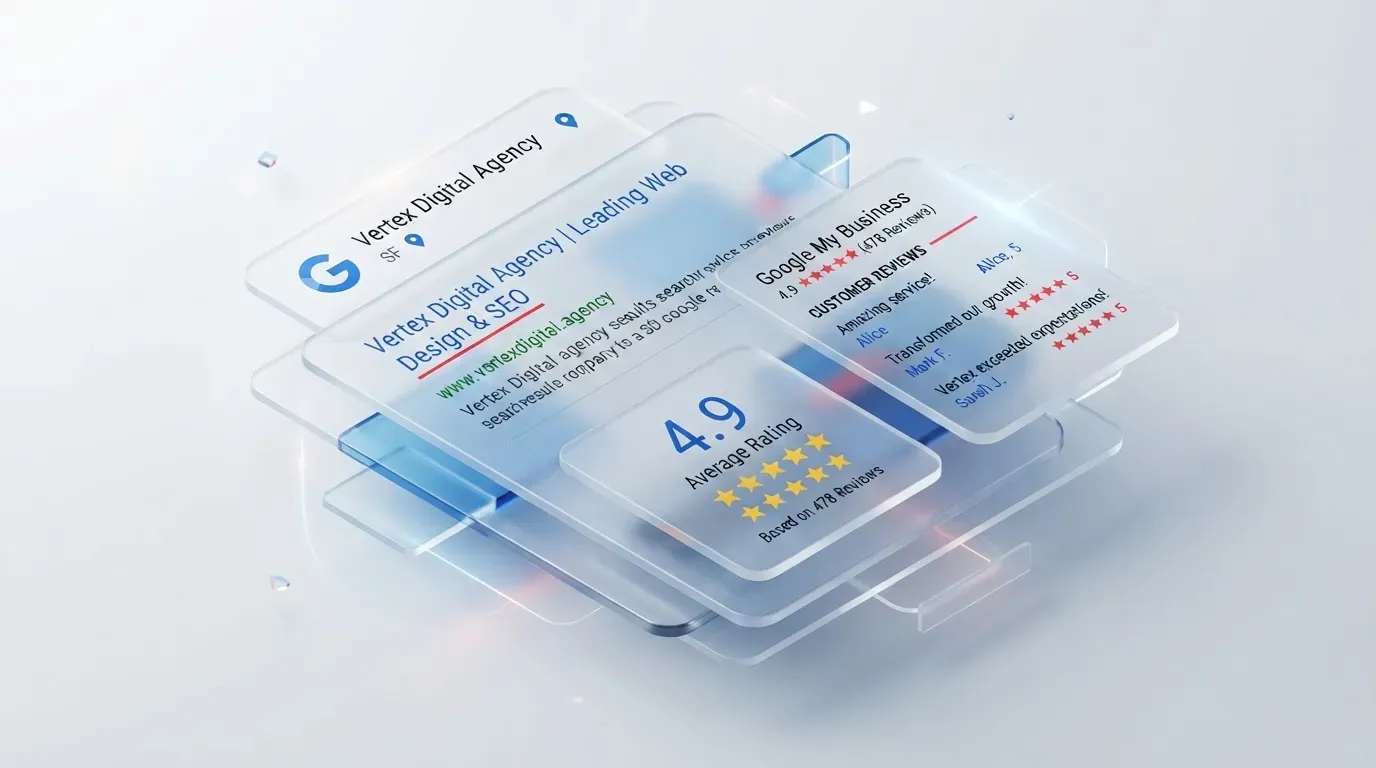
Fake Reviews are one common form of site reputation abuse. A website owner may post fake reviews about their own products or services to make them look more appealing to Users who visit the website, with the intention of deceiving consumers into believing that the products or services are better than they actually are.
2. Ranking Manipulation
Ranking Manipulation, or “gaming” a website’s rankings, is a common form of SRA. These are all techniques used by Black Hat SEO practitioners, focused on beating the ranking algorithm without following the rules and guidelines set by Google, whether through Keyword Stuffing, or cramming the same keywords repeatedly into the content, adding Low-Quality Backlink links that have no quality, or creating various Link Schemes. These can genuinely get a site ranked on the first page of search results in a short time, but if Google’s algorithm discovers it, both the First-Party and Third-Party websites (the ones gaming the rankings) get demoted or penalized by Google by being removed from search results entirely.
3. Spamming
Another form of Site Reputation Abuse is spam, which can take many different forms, such as sending emails or messages to try to promote a Third-Party website or product while disguising the identity as a First-Party website, which is illegal and could result in the website owner being fined or even prosecuted.
Of course, after the Third-Party content is published, those third-party web pages naturally benefit from the Domain Authority (DA), or credibility score, of the First-Party site, which ultimately gives them a higher ranking.
The Impact of Site Reputation Abuse
The impact of Site Reputation Abuse can cause significant damage, both to the website owner and to the Users who use the search engine, as follows.
Impact on Users
- Receiving Misleading Information – Site Reputation Abuse can lead to the presentation of inaccurate information from a Third-Party, distorted information, or information unrelated to the website, which can mislead Users.
- Reduced Trust – Users may lose trust in a website if they repeatedly encounter irrelevant or low-quality content, which damages the overall user experience.
- Risk of Harmful Content – In some cases, Third-Party Content may promote harmful material such as Scams or Malware, which violates users’ privacy and may cause damage to users’ property.
Impact on the Website Owner
- Loss of Ranking and Traffic – Google may penalize websites containing Site Reputation Abuse content by lowering the website’s ranking, resulting in fewer Users coming in and reducing the chances of closing sales or promoting the brand and products.
- Damaged Reputation – Of course, a website affected by SRA will suffer reputational damage, as users may view the site as untrustworthy or spammy.
- Legal Consequences – In some cases, website owners may face legal action for hosting or promoting harmful content through their website, even if they were not involved, which can range from paying fines all the way to being sued.
- Difficult to Restore the Website’s Reputation – Recovering a website’s reputation and Ranking after being penalized by Google is challenging and very time-consuming. It also requires putting measures in place to manage SRA content while improving the overall quality of the website, in order to rebuild the trust of Google and users once again.
How Do You Know If Your Website Is Being Abused?
![[Relevant Audience] SEO JUN C01 2 1200x628](https://www.relevantaudience.com/wp-content/uploads/2024/06/Relevant-Audience-SEO-JUN-C01-2_1200x628.jpg "[Relevant Audience] SEO JUN C01 2 1200x628")
Site Reputation Abuse is difficult to detect. That said, there are currently Tools and techniques that can help monitor a website’s reputation, which can be divided into two main methods: Monitoring Tools and User Behavior Analysis.
1. Monitoring Tool
One way to detect the abuse of a website’s reputation is to use “monitoring tools” that can help website owners track and check for Suspicious Activity or suspicious behavior on the site. For example, some popular Tools include
- Google Search Console – A tool from Google that is well known to SEO companies and Web Developers, helping those who build websites to collect data, check quality, and review various errors that occur on a website in detail.
- Google Analytics – Another Tool from Google with the ability to analyze and collect statistical data about a website, so that this data can be used to plan marketing strategies. It also helps track user behavior on the website, including sudden drops in Traffic, which may be a sign of SRA.
- Moz Pro – A tool for SEO professionals that helps with keyword analysis, tracking a website’s rankings, and improving content precisely, as well as monitoring a website’s Backlinks to help website owners find links that fall under Site Reputation Abuse.
2. User Behavior Analysis
Another way to check for Site Reputation Abuse is analyzing user behavior on the website by tracking behavior to identify suspicious actions or user behavior resulting from Third-Party Content. The Metrics that website owners can use to track user behavior are as follows.
- Bounce Rate – A metric that indicates the rate at which users enter a website, view only a single page, and then leave without clicking any button or taking any Action. An abnormally high Bounce Rate may indicate that users did not find what they were looking for on your website, or to put it simply, that the content (which may come from a Third-Party) does not match the Search Intent, such as having a Pop-up ad that obscures the main content, or requiring users to sign up before they can read an article on the website, and so on.
- Time On Site – The average duration of each Session that a user spends viewing content on the website. If the average Time On Site on the site drops suddenly, it may imply that users find the content uninteresting, or that it is Low-Quality Content published on the website.
- Conversion Rate – A metric that indicates the percentage of users who visit a website and take an Action that the website owner wants, such as placing an order, signing up, filling out a form, or other actions that meet the defined conditions. If you check and find that the Conversion Rate changes abnormally, users do not trust doing anything on the website, which may be caused by clicking a link inserted into the website by a Third-Party, such as a link to a gambling site, a spam link, and so on.
How Can You Prevent Site Reputation Abuse?
As mentioned above, you can see that Site Reputation Abuse is a problem that affects websites on a broad scale. In Google’s most recent update this past May (Google Update May 6, 2024), it was announced that Google has begun to combat SRA initially with Manual Action, meaning Google staff come in to review websites to find spam and De-Index it from search results.
Nevertheless, website owners should put various measures in place to prevent Site Reputation Abuse and protect their website’s ranking and reputation with their user base.
Setting Clear Policies
One of the most important things a website can do to prevent Site Reputation Abuse is to set clear Policies for publishing content on the website, whether Guidelines for content creation, participation, and so on. By clearly specifying what is acceptable and what should not be done, you can prevent inappropriate behavior from occurring.
In addition, you should make sure that the website’s policies are easy to find. We recommend trying to create a separate page on the website to specify the policies in detail, which both Third-Parties and Users can easily access.
Putting Security Measures in Place
Another way to prevent Site Reputation Abuse is putting security measures in place on the website against hacking, spam content, and more. You might start by using a Web Application Firewall (WAF) to protect the website from hacker attacks, or a Content Delivery Network (CDN) to help protect the website from server attacks such as DDoS Attacks, and so on.
In addition to these measures, one extremely important thing to do is to monitor the website regularly for signs of Site Reputation Abuse, which includes checking user behavior, comments, and feedback. And if you notice inappropriate behavior from a Third-Party, take action immediately to fix the problem and prevent it from happening again in the future.
Conclusion
Site Reputation Abuse (SRA) may be a new term for many people who have just entered the website world or are just starting out with SEO. That said, you should always keep in mind that SRA is the misuse of a website’s reputation, which significantly affects both users and website owners. Therefore, understanding it and staying vigilant is essential. By using monitoring tools, analyzing user behavior, and putting robust preventive measures in place, website owners can protect their own reputation and provide visitors with a safe, trustworthy experience that delivers the information they need.
About Relevant Audience
We at Relevant Audience are a Digital Performance Marketing Agency specializing in SEO and one of the Digital Agencies offering full-service digital marketing to help businesses reach their target audiences at the right time, the right place, and on the right device (Right Time, Right Place, Right Device).
Our services cover everything from SEO services, Search Marketing, Social Media Ads, and Search Ads to Influencer Marketing, and we are also an SEO Company that is a Google Partner. Our team is made up of specialists ready to provide consultation and find solutions that meet your business needs.
Contact us for more information
Tel.: 02-038-5055
Email: info@relevantaudience.com
Website: www.relevantaudience.com