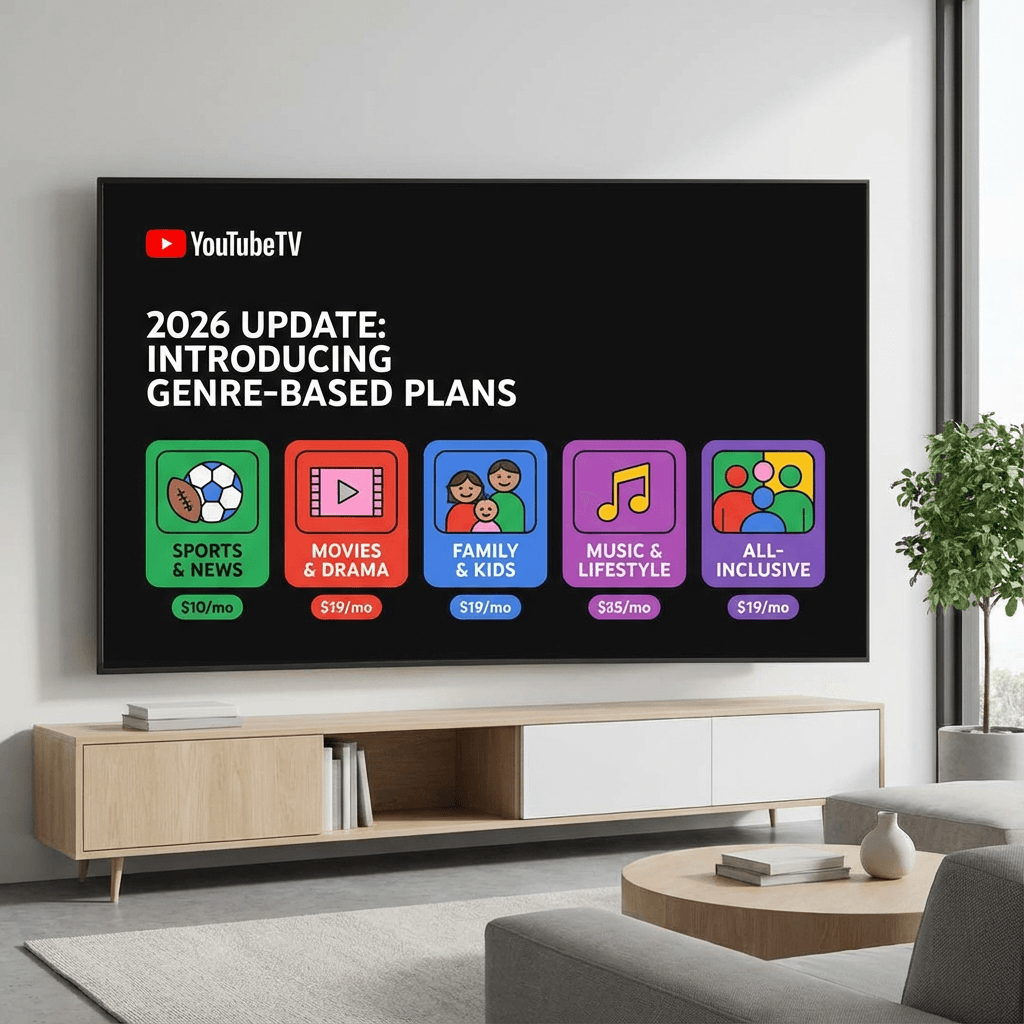
On December 10, 2025, YouTube announced a strategic overhaul that promises to change how we consume entertainment in the living room. As of today, December 11, 2025, the industry is buzzing with the news that YouTube TV will be launching a series of new plans in early 2026. This move is designed to give power back to the viewer, moving away from the “one size fits all” model that has dominated cable and streaming for decades.
For years, customers have asked for more flexibility. The traditional cable bundle, which forces households to pay for hundreds of channels they never watch just to get the few they do, has been a point of friction. YouTube TV is finally addressing this head-on by introducing over 10 genre-based subscription packages. This is not just an update; it is a reimagining of the Youtube tv subscription model that could set the standard for all other streaming services moving forward.
The Shift to Genre-Based Streaming
The core of yesterday’s announcement revolves around choice. Christian Oestlien, the Vice President and Head of Subscriptions at YouTube, stated clearly that the goal is to provide “more choice and flexibility to our subscribers.” This is a direct response to the evolving needs of the modern viewer. In the past, if you wanted live TV, you had two choices: a massive, expensive cable package or a massive, slightly less expensive streaming package.
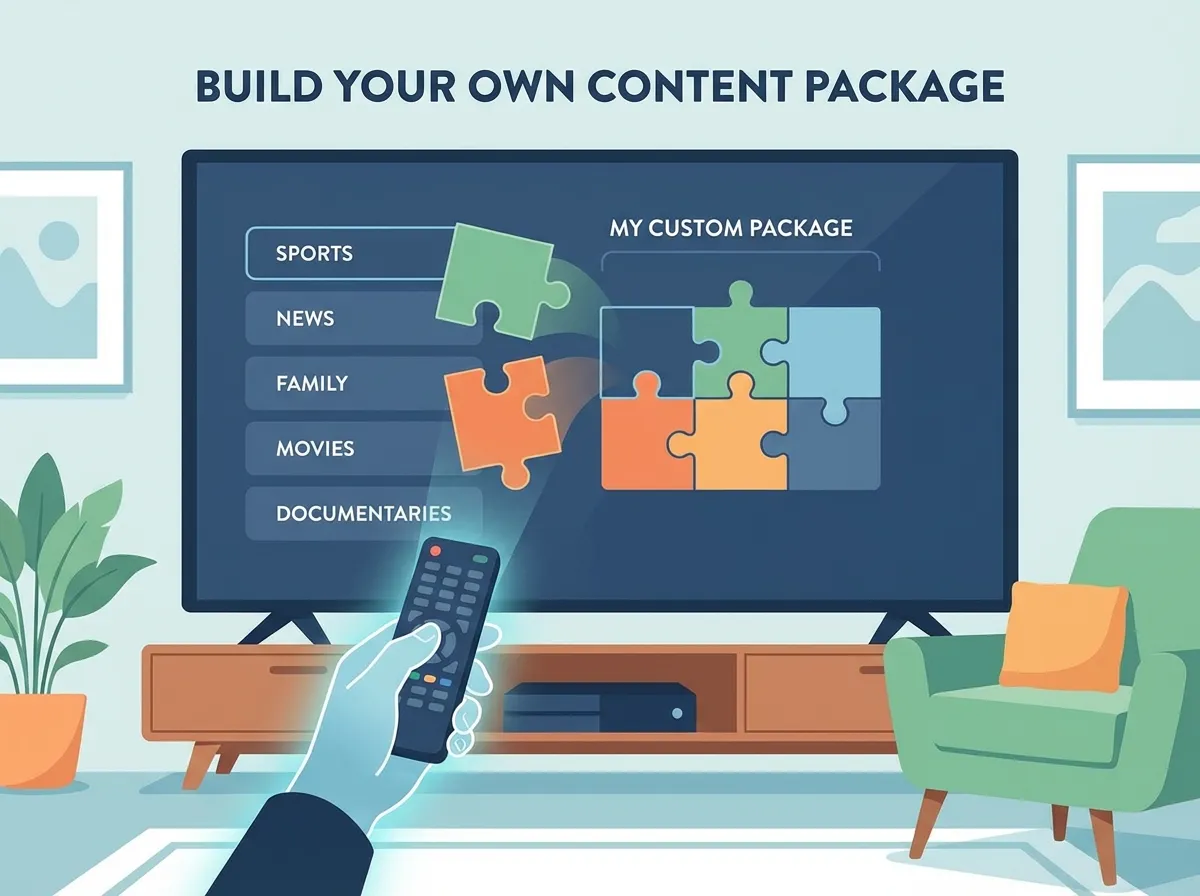
YouTube TV is breaking this binary. By introducing over 10 specific packages, they are acknowledging that a single household might only care about news, while another only cares about sports, and a third might only want family entertainment. This unbundling strategy allows users to curate a lineup that reflects their actual viewing habits.
While the comprehensive “Main Plan” featuring over 100 channels remains available for those who want it all, the new options provide an alternative for budget-conscious viewers or those with niche interests. This flexibility is crucial as subscription fatigue sets in across the globe. People are tired of managing multiple expensive subscriptions, and a more tailored Youtube tv subscription could be the solution that keeps them within the Google ecosystem.
The New Sports Plan: A Game Changer
Among the new offerings, the YouTube TV Sports Plan is undoubtedly the headline act. Sports have always been the glue holding the traditional pay-TV bundle together. It is the one content category that demands live viewing, making it incredibly valuable to broadcasters and advertisers alike.
According to the official announcement, the Sports Plan is robust. It is not just a collection of minor leagues; it includes access to all major broadcasters. Subscribers will get heavy hitters like FS1, the NBC Sports Network, and the full suite of ESPN networks, including ESPN Unlimited. This is a massive development for sports fans who have previously had to subscribe to the full, expensive base plan just to watch their favorite teams.
The customization does not stop at the base sports package. YouTube confirmed that subscribers can still add premium options like NFL Sunday Ticket and NFL RedZone to these genre-specific plans. This creates the ultimate sports hub for fans. Imagine a Sunday where you have access to every NFL game, plus the major sports networks, without paying for lifestyle or reality TV channels you never visit.
Furthermore, the platform’s investment in sports is evident in its history. After broadcasting its first free global NFL game in September 2025, YouTube has proven it can handle high-traffic live events. This reliability is essential for sports fans who cannot afford a stream to buffer during a crucial touchdown or a buzzer-beater.
Beyond Sports: Family and News Options
While sports capture the headlines, the other genre-based packages are equally important for the platform’s growth. The announcement detailed plans focused on “family and entertainment content” as well as options to “combine sports and news.”
This approach targets a completely different demographic. Consider a household with young children. They might value channels like Disney, Nickelodeon, and PBS Kids but have zero interest in ESPN or Fox News. In the traditional model, they would still have to pay for those sports and news channels. With the new structure, they can theoretically select a plan centered entirely on family entertainment.
Similarly, news junkies who want CNN, MSNBC, Fox News, and BBC World News can potentially access a “News Plan” without subsidizing the high cost of sports rights. This granular approach to the Youtube tv subscription structure mirrors the a la carte dream that consumers have been requesting for decades, even if it is technically a collection of “mini-bundles” rather than true single-channel selection.
Technical Innovation and User Experience
Content is king, but the delivery mechanism is the castle. YouTube TV has consistently outperformed legacy cable providers when it comes to technology. The new plans will continue to leverage the platform’s superior feature set.
One of the most praised features is the unlimited DVR storage. Unlike cable boxes that fill up after a few dozen hours of HD content, YouTube TV allows subscribers to record as much as they want. This is particularly vital for the Sports Plan subscribers who may want to record entire seasons of games. The ability to record multiple games simultaneously without worrying about storage space is a significant value add.
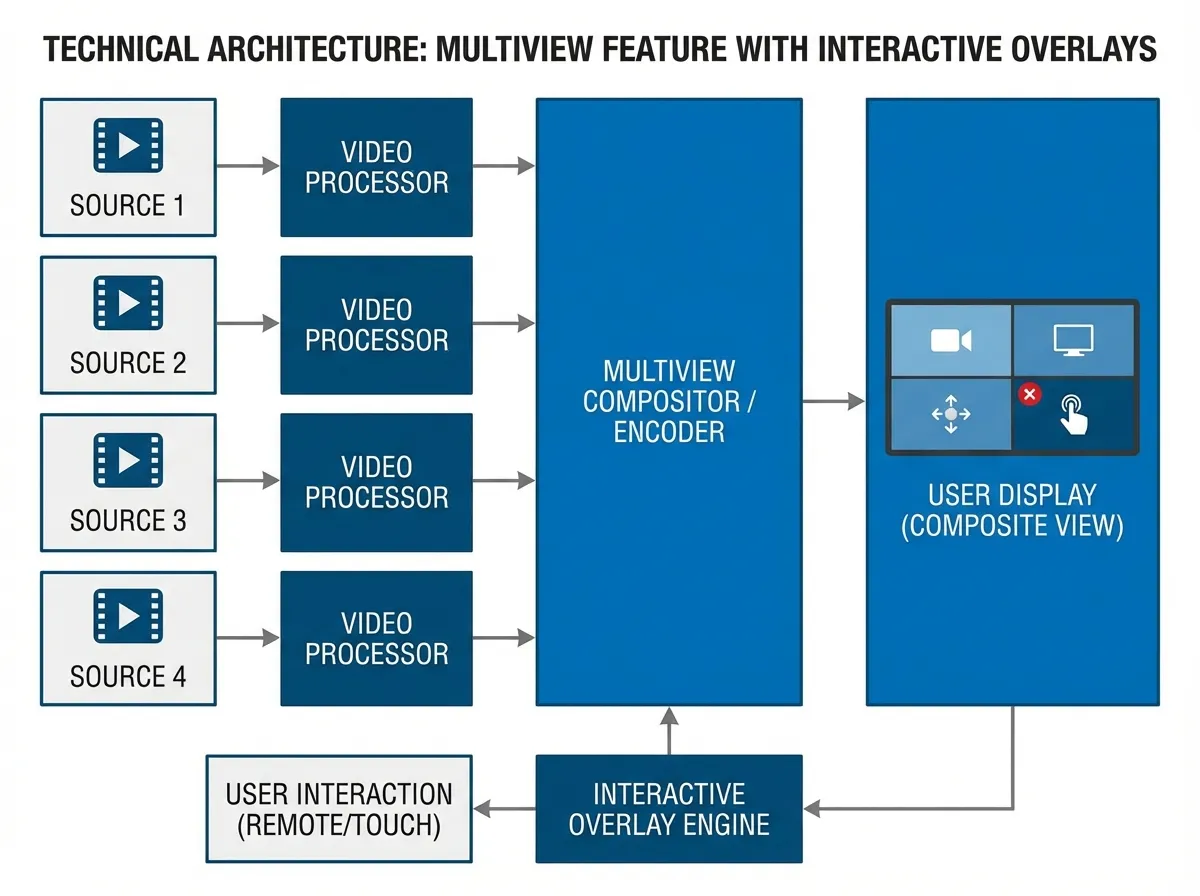
Additionally, the “multiview” capability is a standout feature. This technology allows users to watch up to four live streams on a single screen at the same time. For sports fans, this is revolutionary. During a busy Saturday of college football or a Sunday of NFL games, being able to track four games at once transforms the viewing experience. It mimics the experience of a high-end sports bar in the comfort of your own living room.
The platform is also integrating “fantasy view,” which connects fantasy sports data directly to the live broadcast. This integration keeps viewers engaged for longer periods, as they are not just watching the game but also tracking their fantasy league performance in real-time.
Market Dominance and Industry Impact
It is important to understand the context of this move. As of late 2025, YouTube TV is not just a competitor; it is the leader. Reuters reported just yesterday that YouTube TV now accounts for the largest share of TV viewing in the United States, surpassing streaming giants like Netflix and traditional media conglomerates like Disney.
This market dominance gives YouTube incredible leverage. When they negotiate with content providers, they bring a massive audience to the table. This allows them to structure these genre-based deals in ways that smaller competitors cannot.
The shift also puts immense pressure on traditional cable and satellite providers. Cord-cutting has been accelerating for years, but the primary reason people stayed with cable was the bundle. If YouTube TV successfully breaks the bundle into affordable, genre-based pieces, it removes the last major advantage of traditional pay-TV.
We are seeing a consolidation of power in the streaming space. As smaller services struggle to turn a profit, tech giants like Google (YouTube’s parent company) are expanding their footprint. By offering a product that is superior in technology and more flexible in pricing, they are positioning themselves to be the default operating system for television in the American home.
Advertising and the Business Model
A major component of YouTube’s strategy involves advertising. The company has been transparent about its intentions to grow its connected TV (CTV) advertising business. With 72% of marketers planning to increase programmatic advertising investment in 2025, the timing is perfect.
The new plans create better targeting opportunities for advertisers. If a brand wants to reach sports fans, they can buy inventory specifically on the Sports Plan. If they want to reach parents, they can target the Family Plan. This reduces wasted ad spend and makes the inventory more valuable.
YouTube is also innovating with ad formats. They have introduced 30- and 60-second non-skippable advertisements on connected TVs. While viewers generally dislike non-skippable ads, YouTube research suggests that 79% of viewers prefer grouped advertisements (fewer, longer breaks) over frequent interruptions.
Moreover, the integration of QR codes into advertisements bridges the gap between the TV screen and the mobile phone. A viewer can see an ad for a product, scan the code with their phone, and make a purchase instantly. This direct response capability addresses a long-standing challenge in TV advertising: attribution. Now, advertisers can see exactly how many sales were driven by a specific TV spot.
Looking Ahead to 2026
The official launch is slated for “early 2026.” This gives YouTube TV a few months to finalize the technical implementation and marketing campaigns. It also allows consumers to reassess their budgets after the holiday season.
One critical piece of information remains missing: pricing. YouTube has not yet disclosed the cost of these new packages. The success of this initiative will depend heavily on the price point. If the Sports Plan is nearly as expensive as the main plan, the value proposition diminishes. However, if they can offer aggressive pricing that undercuts cable significantly, they will likely see a massive influx of new subscribers.
The timing is also strategic regarding the sports calendar. Launching in early 2026 positions the service perfectly for the NFL playoffs, the Super Bowl, and the lead-up to March Madness. These are high-intent viewing periods where fans are most likely to switch providers to get the best viewing experience.
We can also expect further announcements. The company hinted that they have “a lot in store for YouTube TV members next year.” This could imply new partnerships, exclusive content deals, or further enhancements to the user interface.
Conclusion
The announcement of genre-based YouTube TV Plans marks a pivotal moment in the history of television. By moving away from the bloated bundle and offering consumers the ability to choose packages based on their actual interests—whether that be sports, news, or entertainment—YouTube is listening to the market.
With features like unlimited DVR, multiview, and seamless integration with the broader Google ecosystem, the platform offers a technical experience that legacy providers simply cannot match. While questions about pricing remain, the direction of travel is clear. The future of TV is streamed, it is flexible, and it is increasingly dominated by YouTube. As we move into 2026, the battle for the living room will be fought not just on content, but on choice. For the consumer tired of paying for 100 channels they never watch, this new Youtube tv subscription model cannot arrive soon enough.