![Copy of [NEW] Blog Size [1200x628px] (26)](/_next/image/?url=https%3A%2F%2Fypkxvhriisnfa5zf.public.blob.vercel-storage.com%2FCopy-of-NEW-Blog-Size-1200x628px-44-Lso8zT1hmBt82BOJP8SRRw1wdDfEah.png&w=3840&q=75)
TL;DR
- Off-page SEO covers the signals created outside your own site, such as links, brand mentions, guest articles and reviews, while on-page SEO is everything done inside it.
- Link building is presented as the most effective off-page technique, with each quality link from a relevant, trustworthy site acting as a vote of confidence.
- Google does not use social signals such as likes, comments and shares as direct ranking factors because they are easy to manipulate; social promotion helps indirectly by widening reach so more people link to or mention the content.
- Off-page signals feed Google's E-E-A-T framework (Experience, Expertise, Authoritativeness, Trustworthiness), where the quantity and quality of links and mentions help show the content can be trusted.
- Brand mentions in forums, articles, reviews and social channels count even when they do not link back, and customer reviews are singled out as especially powerful for local SEO.
If you want your website to rank on Google and grow its organic search traffic, on-page optimization alone will not get you there. You also need off-page SEO. Off-page SEO is one of the most critical components of a successful strategy, and it covers far more than just building links. This guide explains what off-page SEO is, the benefits it delivers, and the practical techniques you can use to increase your website's visibility and authority.
What Is Off-Page SEO?
Search engines constantly work to serve the best possible results to their users. To do that, they weigh many on-page factors, overall quality signals, and a range of off-page factors. Off-page SEO gives search engines insight into how other websites and real users perceive a particular site.
While many people equate off-page SEO with link building, it is broader than that. Plenty of activities that never produce a standard backlink still strengthen off-page signals. The simplest way to think about it: on-page SEO happens inside your website, while off-page SEO happens outside it. When someone publishes a guest article, mentions your brand, or leaves a review elsewhere on the web, that is off-page promotion at work.
Websites recognized as high quality and genuinely useful tend to attract links from other sites, much like a respected book gets cited more often. They also earn more brand mentions across social platforms. All of these act as signals that tell search engines it may be safe to rank a site higher.
The Benefits of Off-Page SEO
A strong off-page SEO strategy delivers several compounding benefits:
- Higher rankings. The core payoff. A stronger off-page profile can lift your position in the search engine results pages (SERPs), which drives more traffic.
- More exposure. Higher rankings create a positive loop: appearing near the top earns more links, more visits, and more social mentions, each reinforcing the others.
- Greater trust and authority. Google evaluates content through the lens of Experience, Expertise, Authoritativeness, and Trustworthiness (E-E-A-T). Off-page signals, especially the quantity and quality of links and mentions pointing to your site, help demonstrate that your content can be trusted.
In practice, off-page SEO is how you prove to search engines that the wider web values your site, not just that you claim to be valuable on your own pages.
Key Off-Page SEO Techniques
Off-page SEO covers everything you do beyond your own website to build reputation and visibility. Here are the techniques that matter most.
Link Building
Link building remains one of the most effective off-page techniques. Each quality link from another site works like a vote of confidence, and the more relevant, trustworthy votes you gather, the better positioned you are to outrank competitors. Focus on earning links from sites that are genuinely related to your industry rather than chasing volume.
Social Media Marketing
Social media is closely tied to link building. Google does not officially use social signals such as likes, comments, and shares as direct ranking factors, partly because they are easy to manipulate. However, promoting your content on social channels expands its reach. The more people who see quality content, the greater the chance that some of them will link to it or mention it, which does help your SEO indirectly.
Brand Mentions
Google favors established brands in relevant search results because trusted brands tend to deliver a better user experience. Unlike links, brand mentions do not always point back to your site. They appear in forums, articles, reviews, and social channels, and even unlinked mentions can contribute to how search engines perceive your authority.
Customer Reviews
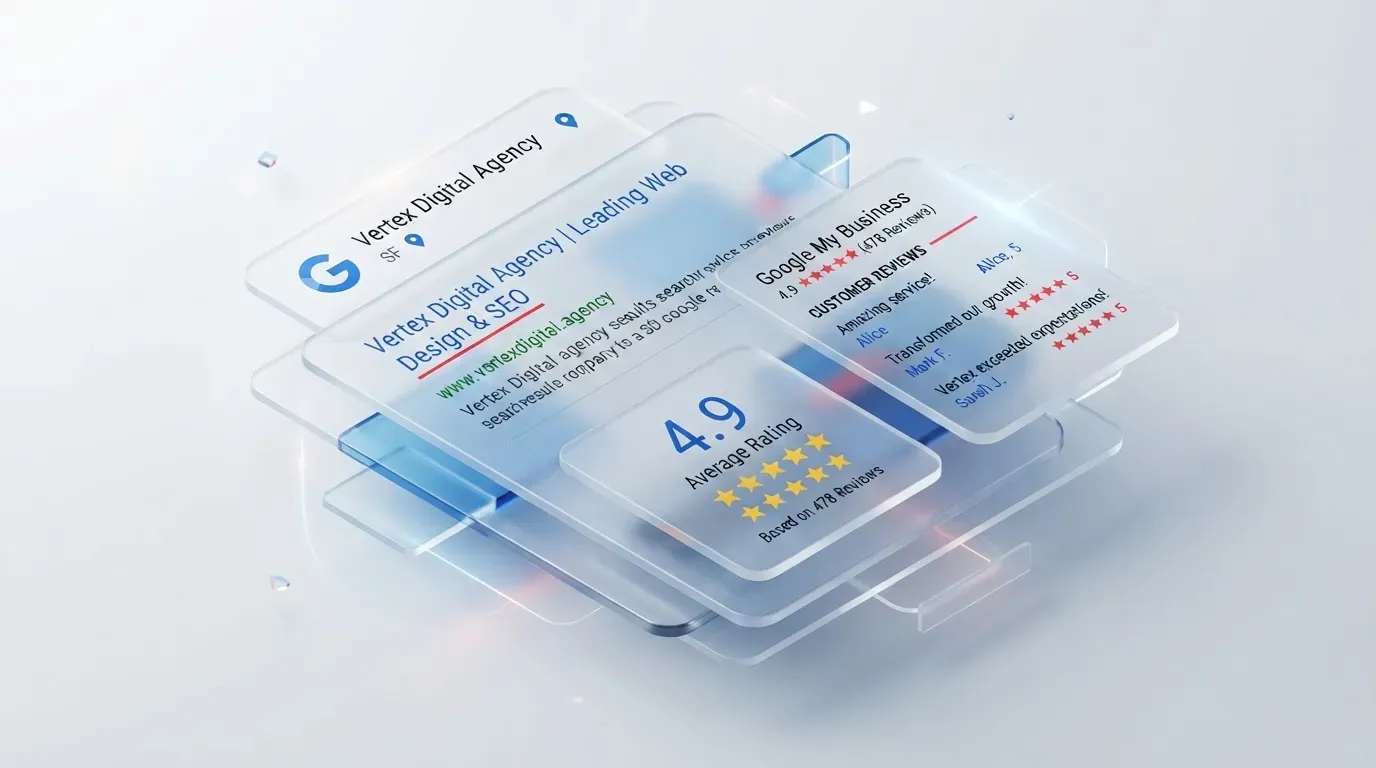
Reviews of your company, products, or services play an important role in rankings, and they are especially powerful for local SEO. Positive, authentic reviews build trust with both potential customers and search engines, making review generation one of the highest-value off-page techniques for businesses that serve a local market.
An Off-Page SEO Checklist
- Earn links from relevant, authoritative websites rather than buying them.
- Publish content worth citing and promote it across your channels.
- Encourage genuine brand mentions through PR and community engagement.
- Actively request and manage customer reviews, especially for local search.
- Keep on-page and off-page efforts aligned so they reinforce each other.
How to Build an Off-Page SEO Strategy Step by Step
Understanding the techniques is one thing; putting them into a repeatable plan is another. Off-page SEO works best when it is deliberate rather than scattered. Here is a practical sequence you can follow.
1. Audit Your Current Standing
Before you build anything new, understand where you are. Review the links already pointing to your site, the anchor text they use, and how your visibility compares with competitors. This baseline tells you whether your priority should be earning fresh links, cleaning up low-quality ones, or strengthening brand presence.
2. Study the Competition
The sites outranking you are a map of what works in your niche. Look at where they earn links and mentions, which content of theirs attracts references, and which publications and communities repeatedly cover them. You are not copying them; you are identifying realistic opportunities you can pursue too.
3. Create Content Worth Linking To
Off-page success depends on having something worth pointing to. Original research, in-depth guides, useful tools, and clear answers to common questions all earn links far more easily than thin promotional pages. Strong content is the engine that makes every other off-page tactic easier.
4. Promote and Build Relationships
Publishing is only half the job. Share your work through your channels, contribute expertise where your audience already gathers, and build genuine relationships with people who run relevant sites and communities. Links and mentions tend to follow real relationships and real value, not cold requests.
5. Measure and Refine
Track how your links, referral traffic, and rankings change over time, and double down on the activities that move the needle. Off-page SEO is a long game, so consistency and patience matter more than any single campaign.
Off-Page SEO Mistakes to Avoid
Just as important as knowing what to do is knowing what to steer clear of. A few common mistakes can waste effort or actively harm your site:
- Buying links in bulk. Paid link schemes are risky and rarely deliver lasting value. Earned links are safer and stronger.
- Chasing quantity over quality. A handful of links from trusted, relevant sites outperforms hundreds of links from low-quality ones.
- Over-optimizing anchor text. An unnatural pattern of exact-match keyword anchors can look manipulative rather than organic.
- Ignoring reviews and mentions. Failing to manage your reputation and unlinked mentions leaves valuable trust signals on the table.
- Treating off-page as separate from on-page. The two must reinforce each other; strong content makes off-page work far easier.
Frequently Asked Questions
Is off-page SEO more important than on-page SEO?
Neither is more important; they work hand in hand. On-page SEO makes your site relevant and crawlable, while off-page SEO builds the external authority that helps it rank. You need both to succeed.
Do paid links work for off-page SEO?
Paid links generally do not deliver lasting results and can create risk. As a rule, the harder a link is to earn genuinely, the more valuable it tends to be.
Are social signals a ranking factor?
Not directly. Google does not treat likes and shares as ranking factors, but social promotion increases the reach of your content and the chances of earning real links and mentions.
Conclusion
Off-page SEO is every bit as important as on-page work, and the two must operate together for your strategy to be effective. There are no shortcuts: valuable links and mentions are usually the hardest ones to earn, which is exactly why they carry weight. If you want expert help building the authority your site needs to compete, our team can guide your off-page strategy through dedicated SEO services in Thailand. Reach out and let us help you rank.