Picture a college classroom full of students studying marketing. They picked the field because it seemed creative, people-driven, reliably employed. Now, halfway through senior year, a lot of them are quietly freaking out. Not because marketing is dying. Because the rules changed faster than anyone warned them.
That tension isn’t unique to campus. How AI is reshaping marketing jobs and what it means for the next generation is one of the most urgent conversations happening inside agencies, brand teams, and career centers right now. The foundational tasks that used to define entry-level work — the stuff that took weeks to learn and months to get good at — are being handled by AI tools in a single session. Workers and employers alike are scrambling to figure out what a marketing career actually looks like from here.
This isn’t just a story about job losses, though those are real. It’s about a shift in what skills matter, what responsibilities look like, and what kind of thinking actually gets rewarded now.
Why entry-level marketers are feeling the pressure from AI
The tasks AI is taking over first
Not long ago, entry-level marketing meant spending days on competitive research, audience analysis, keyword gap audits. It was tedious, sure, but it was also how you learned the business. You built pattern recognition by doing the work yourself, slowly, badly at first, then better.
AI deep research tools now do most of that in minutes. Competitive landscape mapping, SEO content gap analysis, audience segmentation reports — a single session. The work still needs doing, but the hours it used to take have basically evaporated.
That’s a real problem for the people who were planning to build their skills by grinding through exactly that kind of work. The training wheels got removed before they got on the bike.
What the numbers say about career anxiety
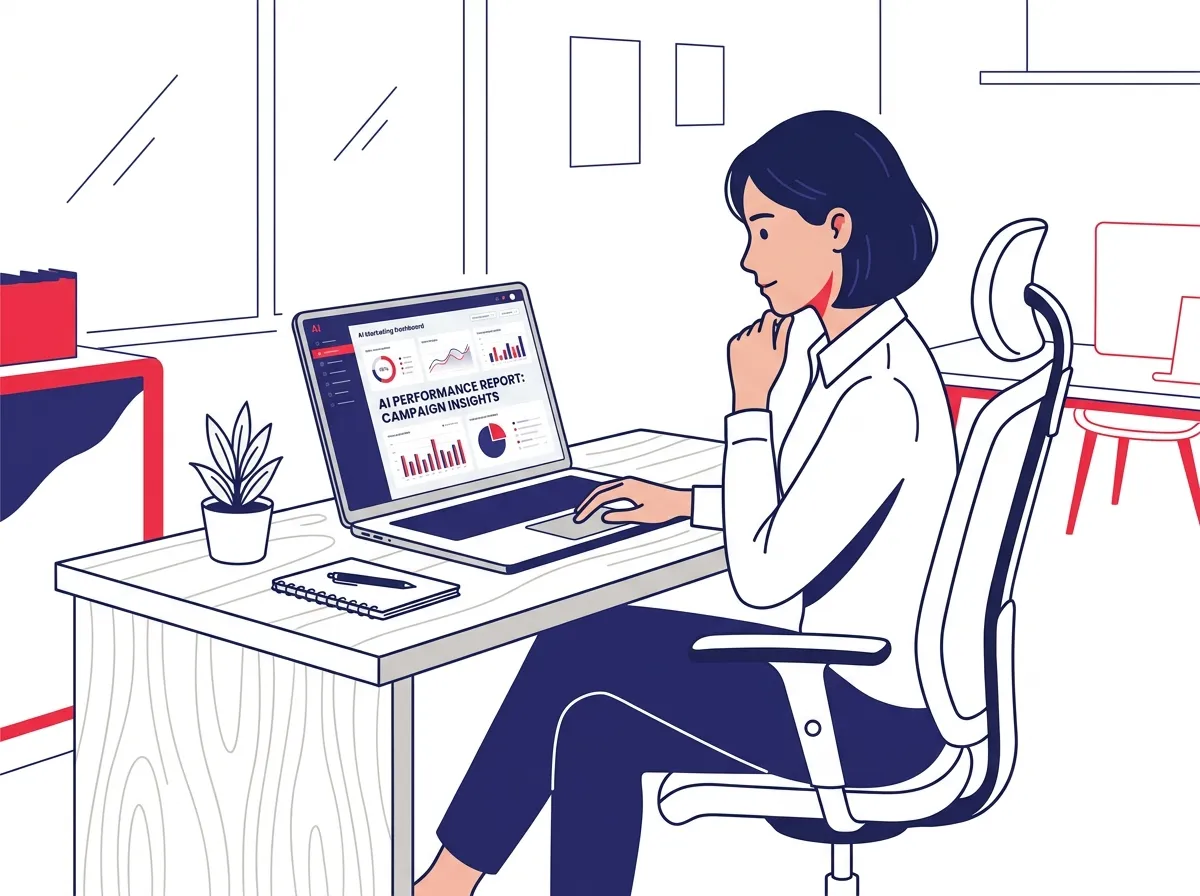
The anxiety is real and pretty specific. Research shows 56% of college seniors feel pessimistic about their career outlook, and 62% of that group blame AI directly. Generative AI reached nearly 40% adoption among working-age U.S. adults in under two years — faster than most industries could absorb.
For marketing students, it stings in a particular way. They trained for roles that got restructured before they graduated. That’s not just a career concern. It’s a confidence problem, and the industry is not doing nearly enough to address it.
How AI is actually changing marketing roles rather than eliminating them
From task execution to AI oversight
Here’s what gets lost in the panic: marketing roles are changing, not disappearing. That distinction matters more than people give it credit for.
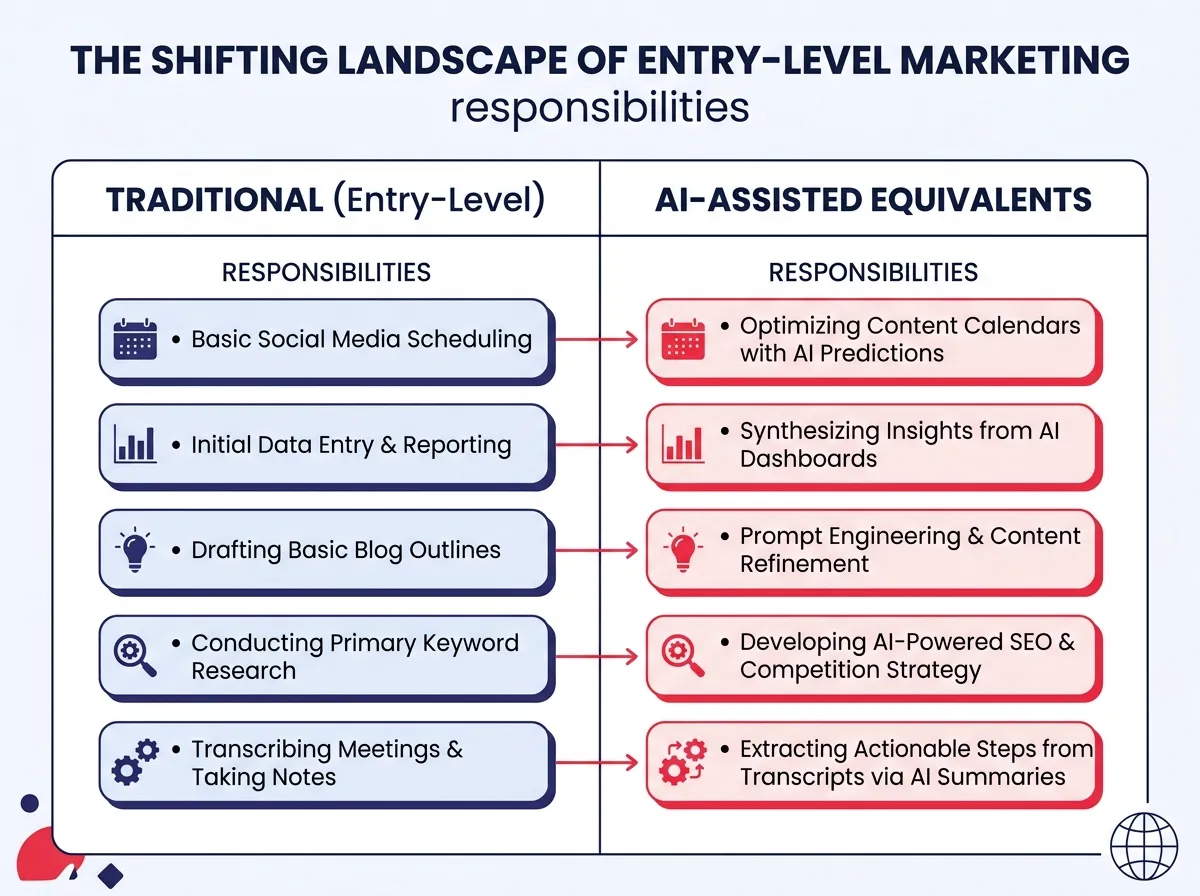
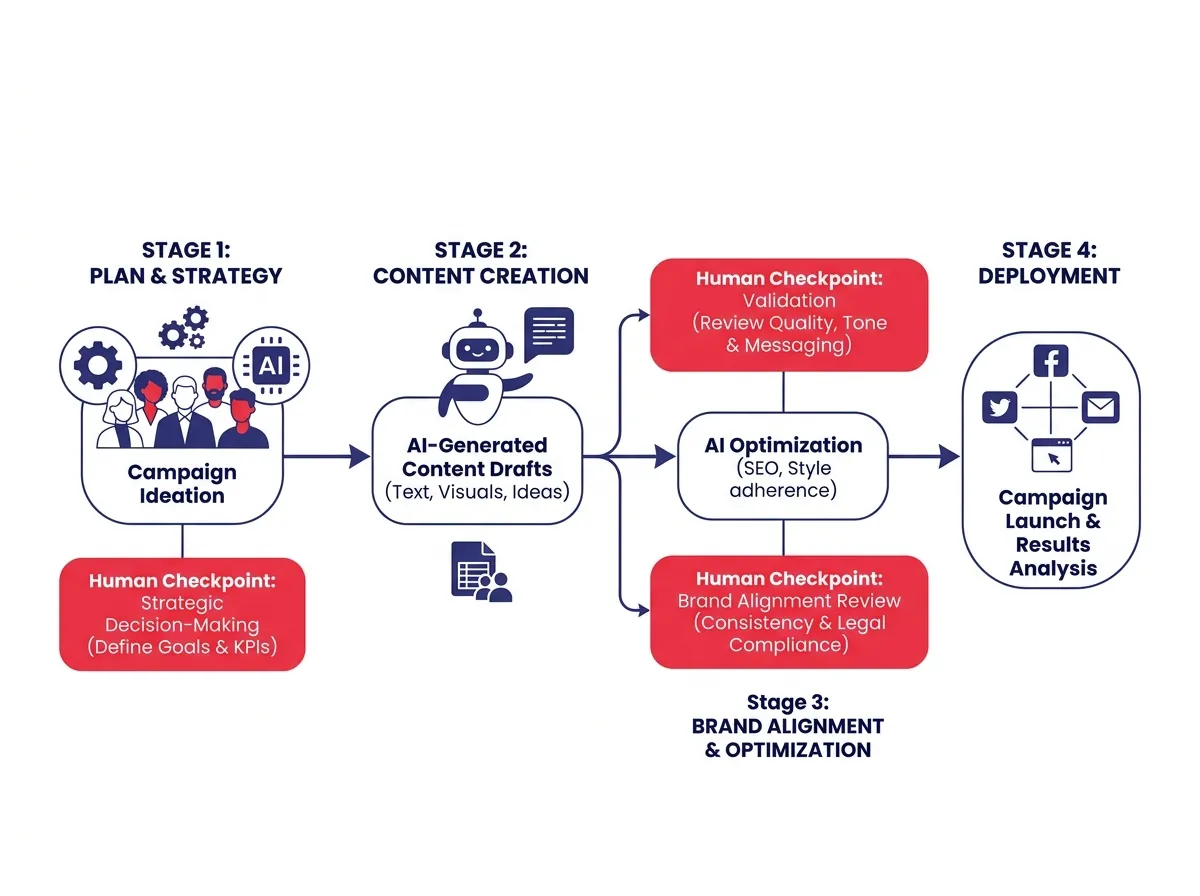
What’s being automated is a layer of execution — research grunt work, first drafts, data pulls. Not the whole job. Entry-level positions are shifting toward things like evaluating AI outputs, auditing for brand consistency, and catching the moments when a generated result is technically accurate but strategically useless. Those require something AI doesn’t have: the ability to read context, apply institutional knowledge, and recognize when something is wrong even if it looks right on the surface.
In some ways, that’s a move up the cognitive stack for junior marketers. I’m not sure it always feels that way to them, though. “Your job is now to check the AI’s work” is a weird thing to say to someone who just graduated and expected to be doing the work themselves.
Where human judgment still wins
There are areas where AI is genuinely bad, and they happen to be the areas that drive actual results.
Creative direction requires taste. Not just pattern recognition — actual taste, cultural fluency, an ear for when something sounds off-brand in a way that’s hard to articulate but obvious when you hear it. AI can approximate this. It can’t do it.
Partnership negotiations require trust. Emotional intelligence. The ability to read a room and adjust. Stakeholder alignment requires navigating organizational politics in real time, with real people who have competing priorities and bad days and history with each other.
None of these are soft skills in the dismissive sense. They sit at the center of how marketing actually gets done. The people who develop these alongside genuine AI fluency are going to be very hard to replace.
What marketing teams need to do right now to adapt
Redesigning roles around AI-assisted workflows
Marketing leaders who are still treating AI as an add-on are going to fall behind the ones who’ve built their workflows around it from the start.
The teams adapting well right now have restructured junior roles so that staff are evaluating and validating AI outputs rather than producing raw deliverables from scratch. Checking reasoning, flagging brand misalignments, verifying sources, making strategic recommendations based on what the AI surfaces. It’s a more sophisticated entry point than the old model. Whether it’s a better one for actually developing marketers is still an open question — and worth asking.
Rethinking hiring and onboarding for critical thinking
A lot of marketing organizations are still hiring for things that no longer predict success. Production speed. Tool proficiency. Volume of output. Those were reasonable proxies once. They’re not anymore.
What actually matters now is whether someone can spot a flawed assumption buried in a research summary, assess whether an AI-generated strategy makes sense for this brand and this moment, or push back on a content brief that technically answers the prompt but misses the point entirely. Those are critical reasoning skills, and a standard marketing assignment won’t surface them.
Onboarding has to catch up too. New hires need to learn not just what tools the company uses, but how to evaluate what those tools produce. Source verification, output auditing, knowing when to trust the AI and when to override it — these should be core competencies on day one, not things people figure out after six months of quietly second-guessing themselves.
The marketers who’ll define the next decade aren’t the ones who hand thinking off to AI. They’re the ones who know how to work alongside it, push back on it, and make sharper decisions because of it. That’s what the industry needs to start building for, at every level, right now.