TL;DR
- Three Google policies hit clinic ads: healthcare and medicines, under which prescription-only medicines may be promoted only by Google-certified advertisers; personalized advertising, which bars health-based targeting and heavily limits remarketing; and misrepresentation.
- Thai law separately requires medical facility advertising to be approved before publication, so clearing Google's review system is not sufficient on its own.
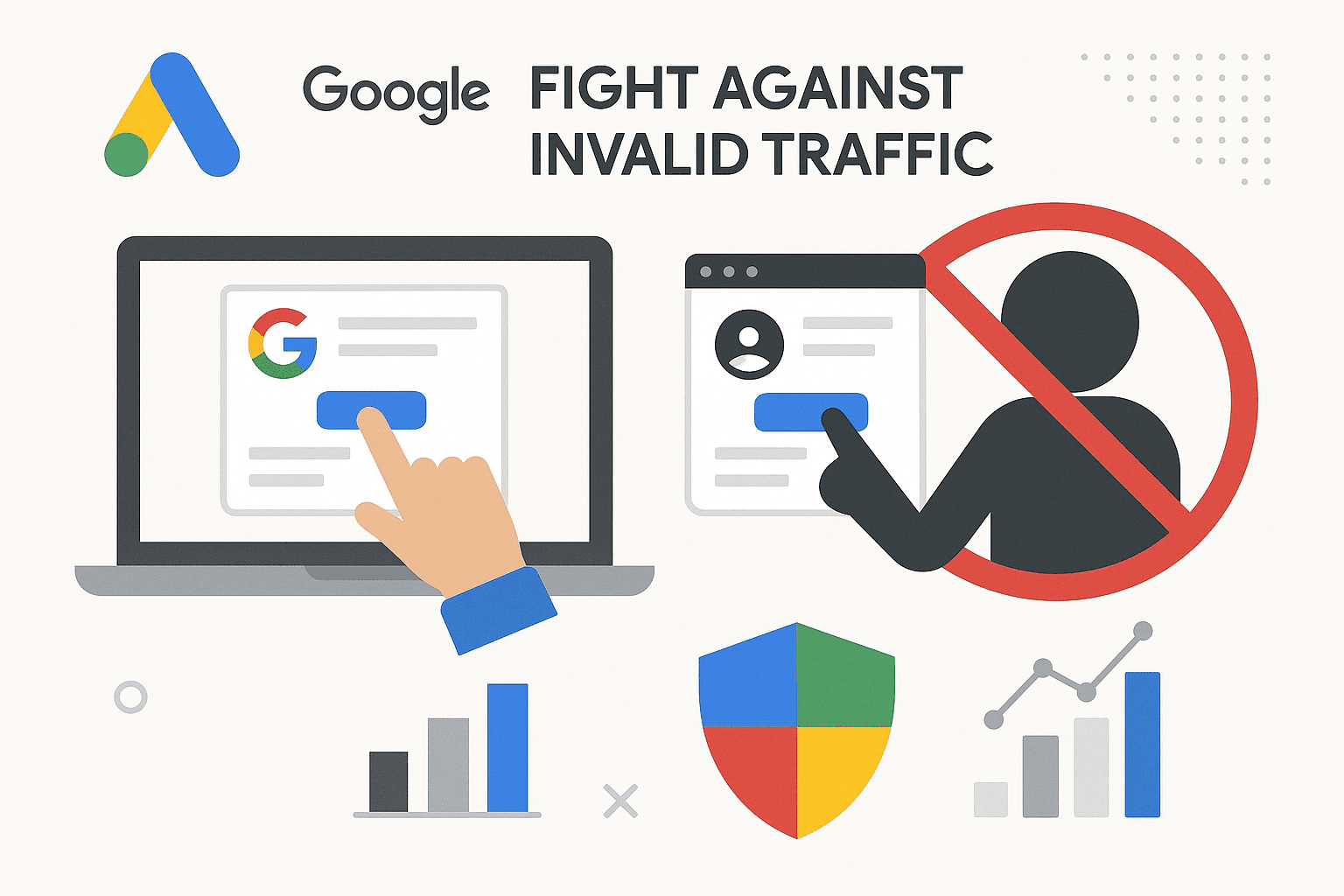
- Disapproved stops one ad while the account keeps running, limited still serves but not in every region or to every audience, and suspended stops every ad at once.
- Opening a new account to escape a suspension counts as circumventing systems and turns a recoverable suspension into a permanent ban covering both the old and the new account.
- Google publishes no fixed banned-word list and reviews the landing page as well as the ad; the groups rejected most are guaranteed results, unprovable superlatives, copy calling out the viewer's body or condition, drug names, before-after imagery and misleading prices.
Running Google ads for a clinic is not like advertising an ordinary product. Google places health and beauty businesses in its restricted content categories, so every ad gets a close review: the copy, the images, the keywords and the landing page behind it. A single phrase that implies guaranteed results is enough to get an ad disapproved, and repeated violations can get the entire ad account suspended. This guide covers the policies clinic owners need to know before launching a campaign, the word groups that get clinic ads rejected most often, and the steps to take when something gets blocked.
Why clinic ads face a higher ban risk than other businesses
Google applies several layers of policy to the health category, and beauty clinics are touched by almost all of them.
The healthcare and medicines policy allows some medical services to advertise under conditions and prohibits others outright. Prescription-only medicines, for example, can only be promoted by advertisers Google has certified. A clinic that mentions a drug name or a substance classified as a medicine in its ad copy or landing page can be disapproved instantly, even when the service itself is completely legal.
The personalized advertising policy forbids using health information to target individuals. In practice this heavily limits remarketing to people who visited a clinic website. Plenty of clinics have lost accounts by retargeting past visitors without knowing this rule existed.
The misrepresentation policy covers every form of exaggerated claim, from guaranteed outcomes to promotions with hidden conditions. It applies to all industries, but beauty clinics trip over it often because the industry sales language leans on strong words.
Beyond Google rules, Thai law also requires medical facility advertising to be approved before publication. Planning marketing for a health business properly means covering both sides, not just getting past the Google review system.
Disapproved vs banned: what is the difference
The two terms get mixed up constantly, but the damage levels are very different.
Ad disapproved. This happens at the level of a single ad. That ad stops serving while the rest of the account keeps running. Fix the copy or the landing page to match policy and resubmit it for review.
Ad limited. The ad still serves, but not in every region or to every audience. This status is common in the health category because Google automatically restricts where sensitive ads can appear.
Account suspended. This is what people usually mean by a ban. It follows a serious violation or repeated smaller ones, and every ad in the account stops at once. The most important thing to avoid at this point is opening a new account to escape the suspension. Google treats that as circumventing systems, a violation that turns a recoverable suspension into a permanent ban covering both the old and the new account.
Google Ads banned words beauty clinics must avoid
Google does not publish a fixed list of forbidden words. Reviews look at the meaning and intent of the message. These are the word groups that get clinic ads rejected most often:
- Guaranteed-result claims such as permanent cure, 100% visible results or guaranteed whitening. Medical outcomes vary from person to person, so a guarantee counts as misrepresentation.
- Unprovable superlatives such as best in the country, number one or 100% safe. If it cannot be backed by verifiable evidence, it fails review.
- Copy that calls out the viewer's body or condition, for example asking whether the reader is struggling with acne or has been overweight for years. Google reads this as identifying a personal health condition and projecting a negative image of the user.
- Drug names and controlled substances. Injectable brand names and anything classified as a medicine cannot appear in ad text, even when the treatment itself is real and lawful.
- Before-after images or wording that implies a certain outcome, especially on the Display network, where image policy is stricter than on Search.
- Misleading prices: promotions that do not exist, prices that differ from the website, or conditions the customer only discovers later.
A detail many advertisers miss: Google reviews the landing page too. Ad copy can be spotless, but if the destination page is full of guarantees or drug names, the ad still fails.
How to write clinic ads that get approved
Sell the service, not a promise
Swap unprovable outcome claims for verifiable facts: the treatments offered, the medical team, the technology used, the consultation process and the clinic location. Copy built this way passes review more easily and tends to attract customers with real intent. Teams that provide Google Ads management for health businesses usually start by rewriting old ad copy first, because it is the fastest fix with the most visible effect.
Make the landing page consistent and credible
The page should clearly show the facility licence, the doctors providing treatment, the address and contact channels. Its content has to match what the ad says, and it must avoid the same banned word groups as the ad. Consistency between ad and page affects both approval and Quality Score, which directly sets your cost per click.
Plan keywords instead of leaning on remarketing
Since remarketing is restricted in the health category, the strategy that works better is targeting high-intent keywords, such as a treatment name plus a location, and trimming irrelevant queries with negative keywords on a regular schedule. The budget then flows to people actively looking for the service rather than people who once passed through the website.
What to do when ads are disapproved or the account is banned
- Open the status column of the ad and read the reason. Google always names the policy it decided was violated.
- Fix both the ad copy and the landing page. Changing only one side fails, because the re-review checks both.
- Resubmit by editing the ad, or file an appeal through the Policy Manager if you are confident the decision was wrong.
- If the account is suspended, appeal the account through the official Google process only.
- Do not open a new account or switch domains to run the same ads again. That behaviour converts a temporary suspension into a permanent ban.
FAQ: running Google ads for clinics
Can a beauty clinic advertise on Google at all?
Yes. Most aesthetic services can advertise normally, as long as the copy avoids guaranteed results, contains no drug names, and the landing page meets credibility requirements. What Google restricts is how you say it, not the business itself.
Why are my ads disapproved when the copy contains no claims?
The usual causes are banned words or drug names sitting on the landing page, before-after imagery in the ad, or audience settings that clash with the personalized advertising policy. Work through each part against the reason Google shows in the ad status.
Can a banned Google Ads account be recovered?
Often yes, through an appeal that shows the problem has been fixed. Review takes time and the outcome is not guaranteed, so the better path is prevention: check the copy and the landing page against policy before every campaign launch.
Should a clinic hire an agency to run its ads?
If nobody in the clinic follows health-category policy changes closely, working with a Google Ads agency lowers the risk of an account suspension and cuts the budget wasted on ads that never clear review, especially in the early phase when account structure and copy are still settling.
Relevant Audience manages ad campaigns for health and beauty businesses with Google policy at the centre of the work, from account structure and ad copy through to resolving disapprovals. See the Google Ads service page or call the team on 02 038 5055.