TL;DR
- Cart abandonment is when a shopper adds items but leaves without paying; the post calls it the single biggest leak in online store revenue, and notes the lost sales are recoverable because those visitors already wanted the product.
- Thai shoppers buy mainly on mobile and open several tabs to compare prices, and one customer may visit a store three or four times, browsing, comparing prices and reading reviews, before paying.
- Six causes are listed: expensive shipping or shipping shown only on the final page, forced account creation, long multi-page checkout, slow loading on mobile, missing payment options such as PromptPay or cash on delivery, and no reviews or return policy.
- The fixes are experience fixes rather than discounts: cut unnecessary checkout fields, allow guest checkout, show shipping cost from the start, and put real reviews, customer photos, the return policy and contact channels where they are easy to see.
- Growth tactics named are recovery emails or messages to customers who did not finish, sent as soon as possible after abandonment, related-product suggestions on the cart page, and a free-shipping threshold to lift order value.
A good online store is not judged by how pretty it looks, but by how many visitors actually place an order. The question shop owners ask most often is why traffic is high while sales stay flat. The short answer: most people add items to the cart and disappear before paying. This is called cart abandonment, and it is the single biggest leak draining revenue from online stores. This article walks from how customers shop, through why they drop off, to practical fixes that lift sales.
How people shop online
Thai shoppers buy mainly through mobile, and they often open several tabs to compare prices at once. A purchase decision rarely happens in one click. A single customer might visit your store three or four times before paying. First they browse, then compare prices, then read reviews, and only then decide.
This kind of path means your store has to perform well at every step: fast loading, clear product photos, honest pricing, and a checkout that is easy to finish. If any point stumbles, the customer is ready to close the tab and move to a competitor, because the alternative is one tap away.
Where customers tend to slip away
The points where people leave most are the cart and the payment page, because that is when they have to fill in details, see shipping costs, and commit to paying. If this stage makes them hesitate even slightly, the sale slips out of your hands. Designing a smooth storefront from the start matters, and it begins with a solid structure like the one we build in our e-commerce website design service.
What cart abandonment means
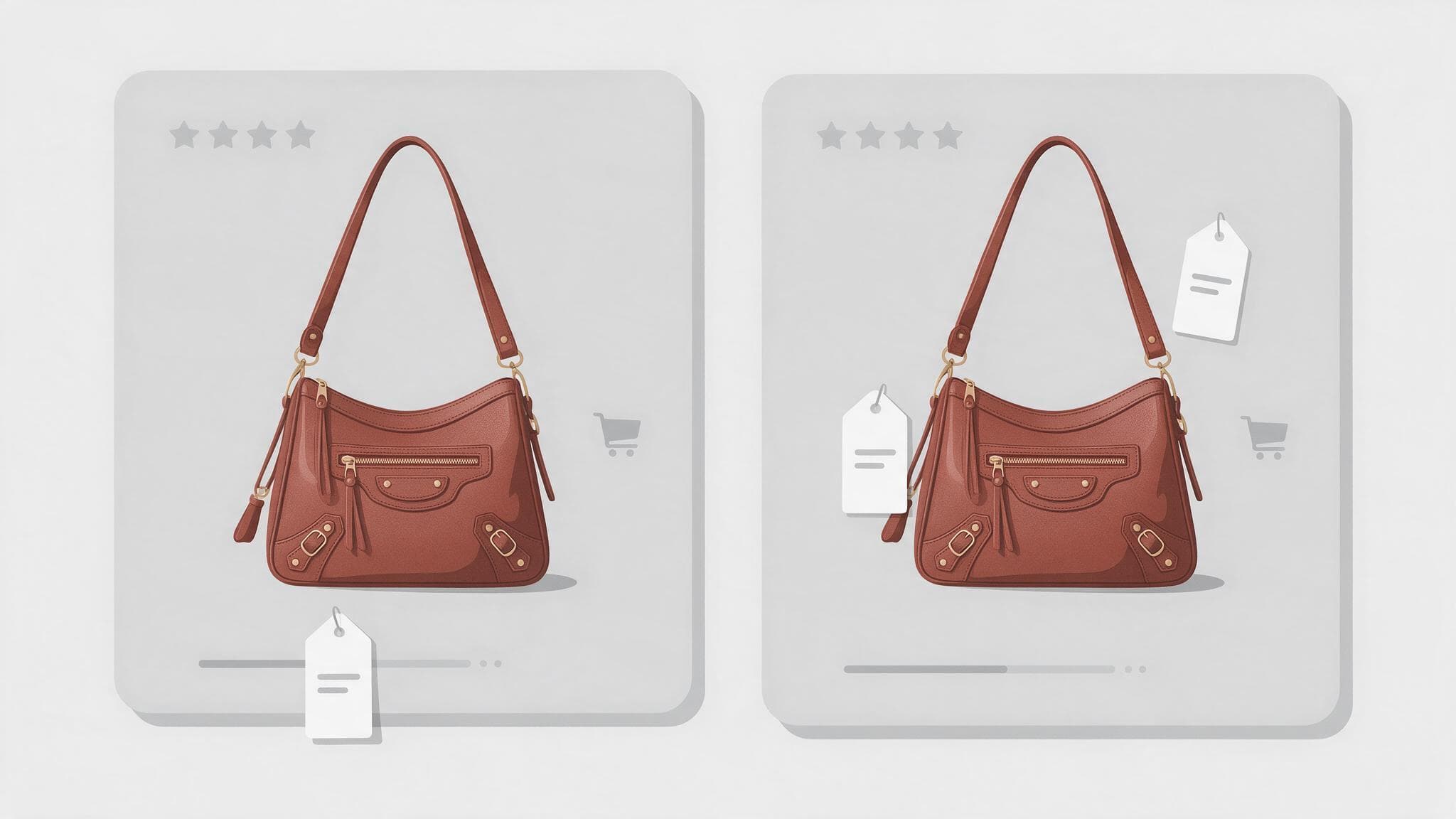
Cart abandonment is when a customer adds items to the cart but leaves without paying. Put simply, the products sit in the cart, yet no order is placed.
What makes this frustrating is that these customers already want the product. They are not casual browsers. They walked all the way to nearly buying, then something blocked them at the last minute. That means the revenue lost here was almost yours, and it can often be recovered once you know the cause.
The abandonment rate is a number every online store should watch. The higher it climbs, the more money is slipping away. Cutting it down even a little produces a clear lift in sales, without paying more in ads to find new people.
Why customers do not buy
Before fixing anything, you need to know why customers abandon carts. The causes seen most often in online stores are these:
- Shipping is expensive or appears only on the final page, making customers feel charged more than expected.
- They are forced to create an account before paying, when they only wanted to buy one item and be done.
- Checkout is long and complicated, asking for details across too many pages.
- The site loads slowly, especially on mobile, and customers lose patience waiting.
- Payment options do not match what the customer prefers, such as missing PromptPay or cash on delivery.
- There is nothing to build trust, like reviews or a return policy, leaving doubt about whether the shop is reliable.
Notice that almost every point is about the experience, not the product. Customers already want the item, but the site makes buying too hard. Fixing these is about adjusting the storefront, not discounting the goods.
How to raise conversion rate
Conversion rate is the share of visitors who become real customers. Raising it means making the people already on your site decide to buy more easily. Start with these.
Make checkout as short as possible
Cut every field that is not needed, allow guest checkout without an account, and show shipping costs from the start so customers meet no surprise at payment. The faster they can pay, the higher the chance you close the sale.
Make trust visible
Place real reviews, customer photos, a return policy, and contact channels where they are easy to see. Trust is what pushes a customer to pay, especially at a shop they have never bought from. Keeping the whole experience consistent helps a lot, which you can read about in customer experience optimization for e-commerce.
Help people find the store in the first place
Conversions can only happen if people arrive first. Getting products to rank in search brings in people who already intend to buy, a group more ready to pay than the general crowd. See the approach in our e-commerce SEO service.
Growing online sales
Once the leaks are sealed, the next step is pushing sales higher. Several ideas work in practice, starting with recovering abandoned carts by sending an email or message to customers who did not finish, along with a small discount to nudge them back to complete the order.
Another way is offering related products on the cart page, like suggesting socks or cleaner after someone buys shoes. This raises the value per order without finding new customers, and setting a free-shipping threshold encourages customers to add one more item before checkout.
For shops on a ready-made platform, choosing a flexible system that lets you customize the storefront makes all of this easier. If you are looking for a setup that is ready to sell, look at Shopify web design, which supports these sales-boosting features from the start.
FAQ
What abandonment rate counts as normal
The number varies by product type and channel. The right move is to measure your own store over time and see whether the figure drops after your fixes, rather than comparing against someone else's average.
What should I fix first with limited time
Start with the payment page, since that is where customers drop off most. Cut unnecessary steps, show shipping early, and allow buying without an account. That alone shows fast results.
Do cart reminder emails really work
They work for customers who entered an email but did not finish paying, because it reminds people who are already interested to come back and close the order. The sooner you send after the cart is abandoned, the better it performs.
In short, an online store that makes money has to understand how customers shop, know where they slip away, and then seal the leaks one at a time. Start with the payment page, then build on it with trust and sales-growth tactics. Do that, and more of the people already visiting your site turn into customers.