TL;DR
- Register a branded custom domain first: domain names are unique, so availability has to be checked before the name can be registered and used.
- Do not skip the supporting pages: home, about, contact, and an FAQ answering repeat questions such as shipping times and return policies.
- Checkout checks before launch: let customers edit their details before paying, show real shipping costs, allow discount or promo codes, link to a help page if a payment fails, and send an automatic confirmation email after every order.
- Install analytics before launch so you can see which products are most popular, your conversion rate, site traffic and how visitors move through the purchase journey.
- Test before going live: no broken links or pages that fail to load, and the site working on both desktop and mobile, then keep running A/B tests on CTA buttons, the checkout and your SEO basics.
Building an e-commerce website can feel overwhelming when you're doing it for the first time. There are so many moving parts that it's easy to pour all your attention into product pages and checkout while quietly overlooking the basics that make a store trustworthy and easy to buy from. Skip the wrong step and you pay for it later in lost sales and support headaches. This checklist walks you through what to prepare before you launch, in a logical order, so you can build with confidence and go live knowing the fundamentals are covered. Work through it top to bottom and you'll avoid the mistakes that trip up most new store owners.
1. Choose and Register a Custom Domain
Your domain name is your brand's address online, and it's the first thing you should lock down. Pick something short, memorable, and clearly tied to your brand so customers can find and recall it easily. Because domains are unique, you'll need to check availability and register the name before you can use it — and it's worth grabbing common variations to protect your brand. A clean, branded domain also builds instant credibility compared with a generic or hard-to-spell alternative.
2. Don't Skip the Essential Pages
New store owners often obsess over product and payment pages while neglecting the supporting pages that build trust. These are the ones customers look for before they buy:
- Home page — your storefront's first impression. It should communicate what you sell and why you're worth buying from within seconds.
- About page — the story behind your brand: who you are, why you started, and what your products stand for. This is where you turn a stranger into someone who trusts you.
- Contact page — clear ways to reach you (email, phone, messaging, or a form). Visible contact details reassure buyers that a real business stands behind the store.
- FAQ page — answers to the questions you hear most often, such as shipping times and return policies. A good FAQ saves your team hours and removes hesitation at the point of purchase.
- Shipping, returns, and privacy policies — clear terms customers can check before they commit. Transparency here reduces abandoned carts and disputes.
3. Make the Checkout Frictionless
The checkout experience can make or break a sale in seconds. Every extra field, surprise cost, or confusing step is a reason for a shopper to leave. Before launch, pressure-test your checkout against this list:
- Let customers review and edit their details before they pay.
- Show real shipping costs early, not as a shock on the final screen.
- Make it easy to apply discount or promo codes.
- Offer the payment methods your customers actually use, and support mobile wallets.
- Link to a help page in case a payment fails.
- Send an automatic confirmation email after every successful order.
- Offer guest checkout so shoppers aren't forced to create an account to buy.
4. Design Product Pages That Sell
Your product pages do the heavy lifting of turning interest into orders, so they deserve real attention rather than a rushed template. A page that answers every question a buyer has before they even ask it is what closes the sale. Make sure each product page includes:
- High-quality images from multiple angles, ideally with a zoom option and lifestyle shots that show the product in use.
- Clear, benefit-led descriptions that explain not just what the product is, but why it's worth buying — plus the practical details like size, materials, and specs.
- Visible pricing, stock status, and shipping estimates so there are no surprises later.
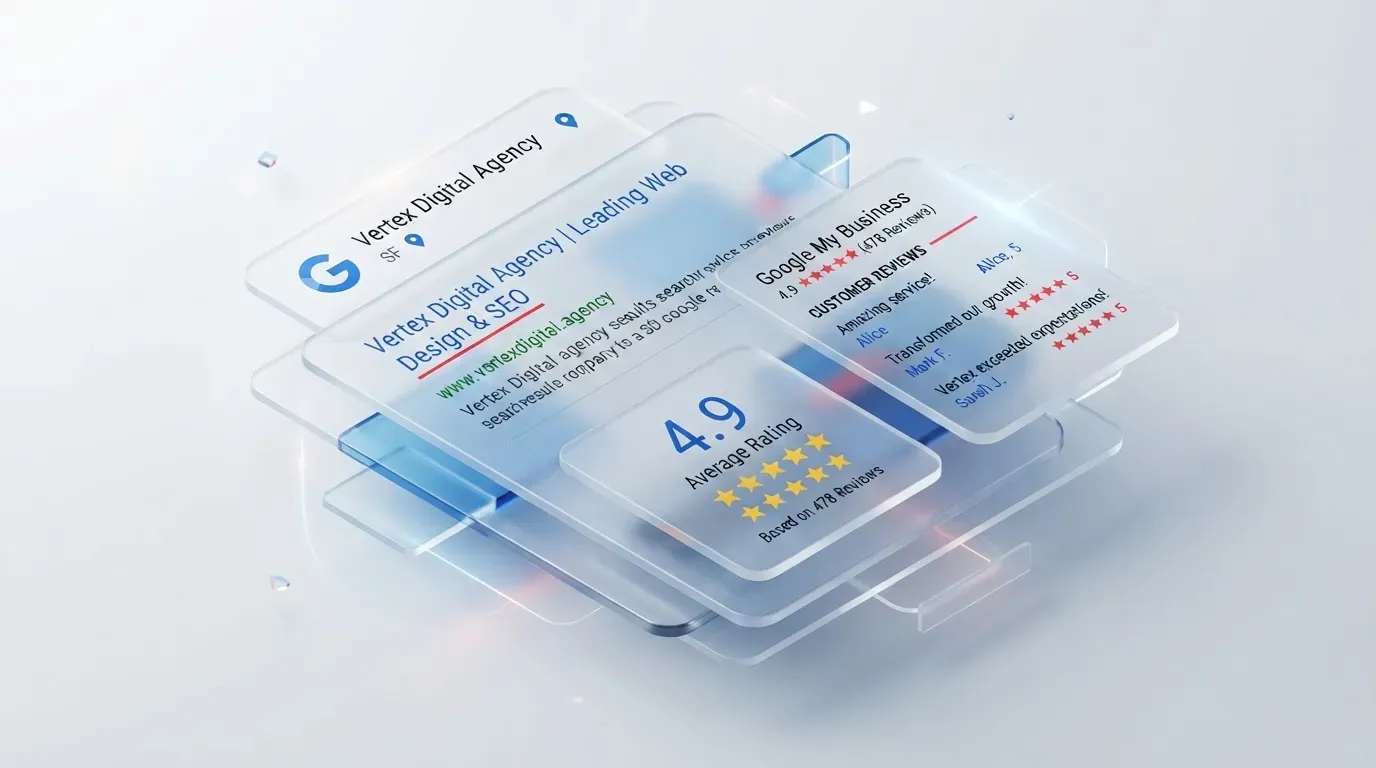
- Customer reviews and ratings, which are one of the strongest trust signals you can offer a new buyer.
- A prominent, unambiguous add-to-cart button and clear next steps.
Consistency matters too: use the same layout and photo style across products so your catalog feels professional and cohesive rather than pieced together.
5. Build Trust and Secure the Store
Shoppers won't hand over card details to a site that feels unsafe, so trust and security are non-negotiable before launch. Confirm that your store runs on HTTPS with a valid SSL certificate — the padlock in the address bar reassures visitors their data is protected. Display trust signals such as accepted payment logos, a clear return policy, and genuine customer reviews where buyers can see them. Make your contact details and business information easy to find, and be transparent about how you handle personal data with a clear privacy policy. These details may seem minor, but together they remove the hesitation that stops a first-time visitor from completing a purchase.
6. Set Up Analytics From Day One
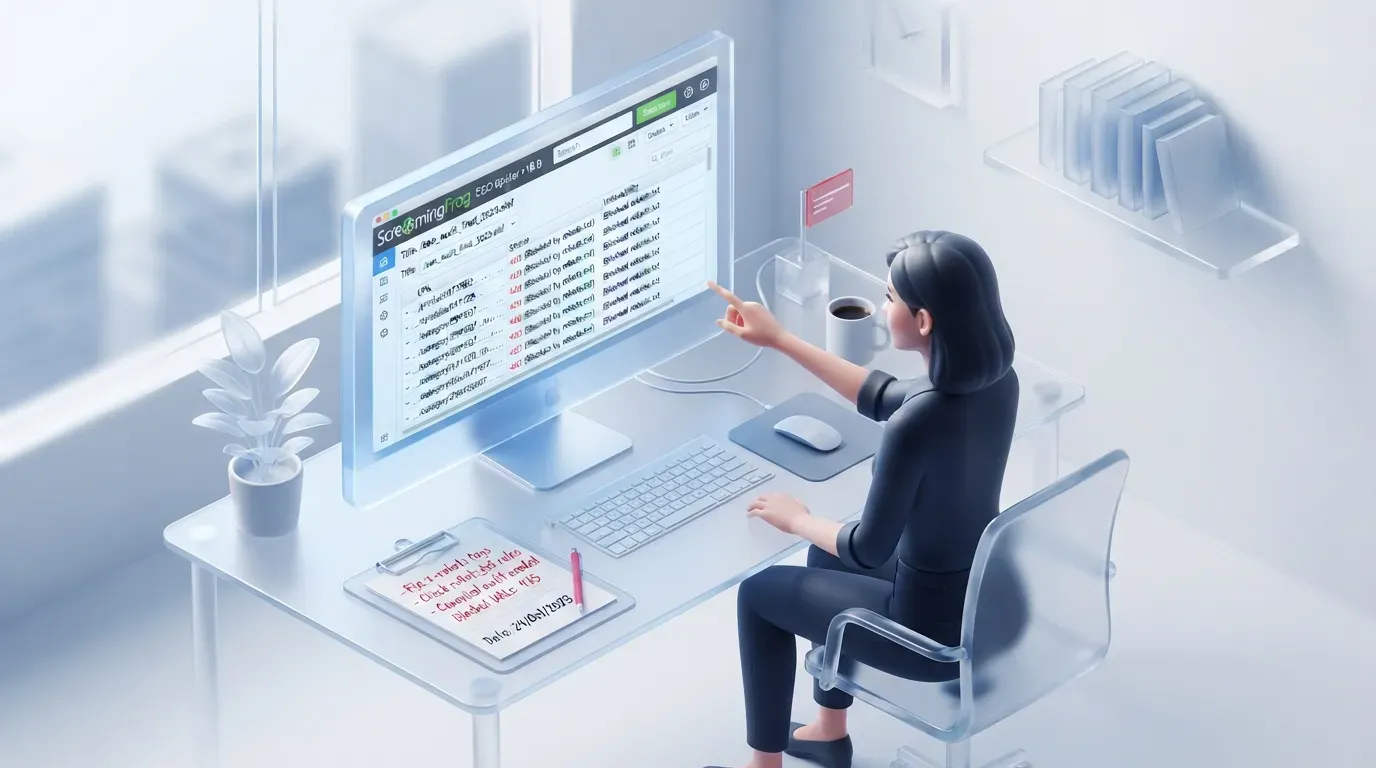
You can't improve what you don't measure. Install analytics before launch so you're collecting data from your very first visitor. Proper tracking tells you which products are most popular, where people drop off, what your conversion rate is, and how visitors move through the purchase journey. That insight is what lets you make smart changes instead of guessing. Configure conversion and purchase tracking specifically, so you can tie marketing spend to actual revenue rather than just traffic. It's also worth setting up basic reporting from the start so you can spot trends early rather than scrambling to add tracking after you've already lost data you can never recover.
7. Test Everything Before You Go Live
A thorough test pass is what separates a smooth launch from an embarrassing one. Before you open the doors, confirm that:
- Every link works and there are no broken pages.
- Pages load quickly and nothing fails to render.
- The site works well on both desktop and mobile — most shoppers will arrive on a phone.
- Call-to-action buttons are clear and lead where they should.
- The full checkout flow works end to end with a real test transaction.
- Your core SEO basics are in place: page titles, meta descriptions, and clean URLs.
After launch, keep improving. Run A/B tests on things like CTA wording, checkout layout, and product page design to steadily lift performance over time.
Frequently Asked Questions
What's the single most important thing to get right before launch?
The checkout. You can drive all the traffic in the world, but if paying is confusing or full of surprises, that traffic won't turn into revenue. Test it end to end before anything else.
Do I really need an About and FAQ page for a small store?
Yes. These pages build the trust that convinces a first-time visitor to buy, and a strong FAQ quietly reduces your support workload by answering questions before they're asked.
Should I set up analytics before or after launch?
Before. Installing tracking from day one means you capture data on your earliest visitors, giving you a baseline to improve against instead of starting blind.
How mobile-friendly does my store need to be?
Very. A large share of shopping now happens on phones, so your store must load fast and be easy to use on a small screen, or you'll lose the majority of your buyers.
Conclusion
A successful e-commerce launch isn't about doing one thing brilliantly — it's about not skipping the fundamentals. Secure a branded domain, build the pages that earn trust, remove every ounce of friction from checkout, track everything from day one, and test relentlessly before you go live. Nail those and your store starts on solid ground, ready to grow. If you'd like expert help turning your store into a reliable sales channel, take a look at our e-commerce marketing services and let's build something that converts.