TL;DR
- The post argues people judge a brand's image within the first few seconds of seeing it, before reading a word, so sloppy images, mismatched fonts or jarring colours read as unprofessional even when the product is good.
- Four elements let design move a brand: consistency of palette, fonts and style across channels; clarity that needs no interpretation; fit with the target audience's taste; and flexibility from a large banner down to a tiny mobile icon.
- Six core principles are listed: hierarchy, contrast, alignment, white space, balance, and colour and type with the count kept tight.
- Six programs are named: Photoshop for pixel work, Illustrator for vector logos and icons, InDesign for multi-page print layout, Figma for UI and real-time collaboration, Canva for quick jobs, and Affinity Designer as a one-time purchase.
- AI is placed as an assistant rather than a decision-maker: strong on speed and volume, short on brand context, local culture and subtle taste, with AI images often pretty but directionless or echoing other brands.
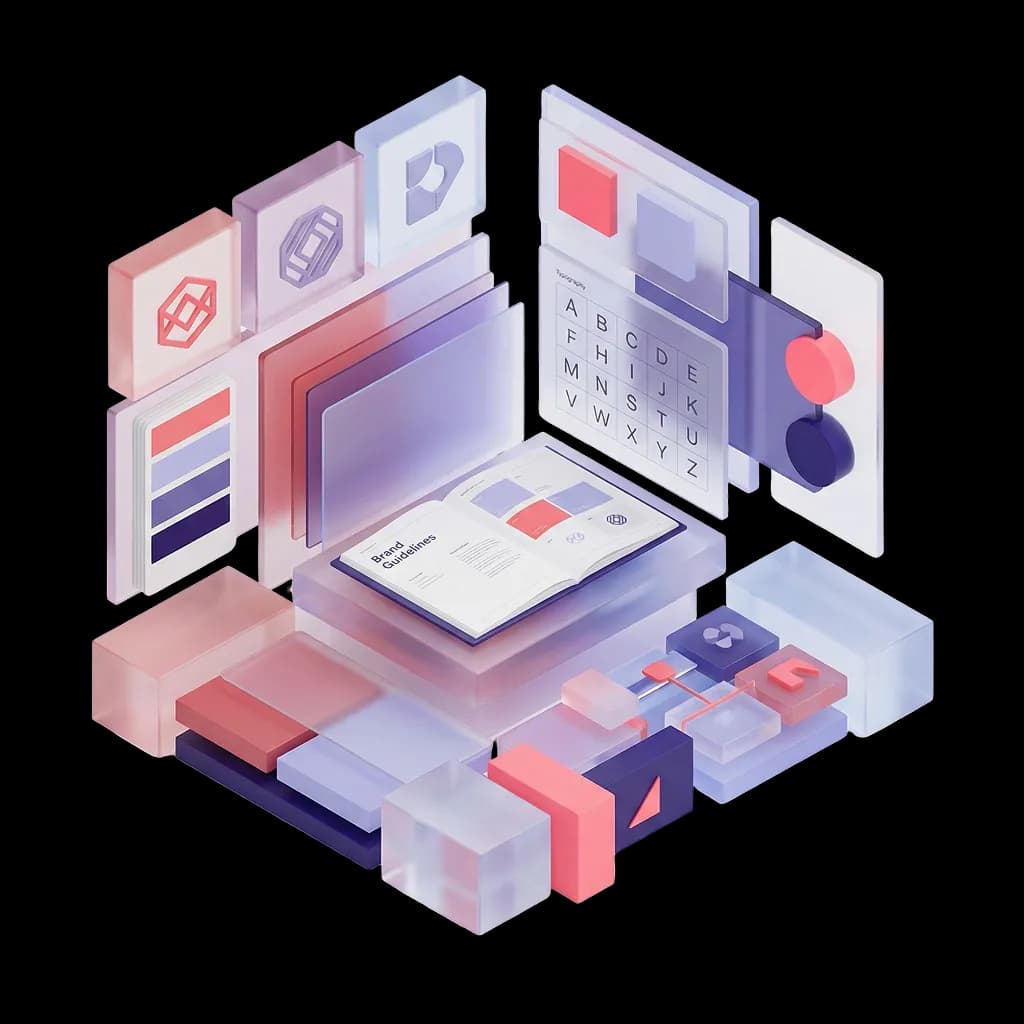
Hiring a graphic design service means bringing in professionals to create your brand's visual work, from logos and posters to social posts, print, and web pages. The goal is not just pretty pictures. It is making your brand communicate clearly, look credible, and stay memorable. This article explains why graphic design matters to a brand, the core principles worth knowing, the software designers actually use, and how AI fits into the work today.
Why Graphic Design Matters
People judge a brand's image within the first few seconds of seeing it, before they read a word or learn anything about the product. Visual work is the first checkpoint that says who the brand is, how much it cares, and whether it deserves trust. Businesses that rely on sloppy images, mismatched fonts, or jarring colours often get read as unprofessional, even when the product is genuinely good.
In a world where people scroll past hundreds of pieces of content a day, well-made visuals are what make someone stop. Graphic work also digests complex information into something easy to grasp, turning long strings of numbers into a chart you read in an instant, or a messy set of steps into a clear sequence you can follow right away.
Why Designing Well Affects Your Brand
Good design is not measured by beauty alone but by business results. Design with a clear direction builds recognition. When customers repeatedly see the same colours, fonts, and visual style across every touchpoint, their minds link those cues to the brand automatically. This is the heart of strong digital branding.
Investing in design early also affects credibility and the price you can command. Brands that look premium through polished visuals often price higher than rivals selling similar products, because image creates a sense of quality. Inconsistent design does the opposite, leaving customers confused and hesitant to buy.
The elements that let design genuinely move a brand include the following.
- Consistency use the same palette, fonts, and style across every channel so the brand feels like one voice.
- Clarity communicate the main message instantly, with no interpretation required.
- Audience fit the visual tone must match the taste of the people you want to reach.
- Flexibility the design has to work on a large banner and as a tiny icon on mobile.
A logo is the clearest example. Good logo design must be simple enough to remember and flexible enough to work at any size, then extend into a full brand identity system.
Core Design Principles Worth Knowing
Work that looks right does not come from talent alone. It comes from concrete principles. These are the pillars designers reach for every time.
- Hierarchy size and weight the elements so the eye moves from the most important thing downward, headline first, fine detail later.
- Contrast use differences in colour, size, or shape to make the point you want to emphasise stand out.
- Alignment line elements up so the piece looks orderly and deliberate.
- White space leave room around elements so the work can breathe and read easily.
- Balance distribute visual weight so the layout feels stable rather than tilted.
- Colour and type pick a palette that carries the brand's mood and fonts that read well at any size, keeping the count tight so nothing feels cluttered.
Once these principles click, judging why one piece looks good and another feels off becomes something you can explain, not just feel.
Popular Graphic Design Software
Tools do not make someone a designer, but they help you work faster and better. The programs used widely in the field include the following.
- Adobe Photoshop for retouching photos and pixel-based graphics.
- Adobe Illustrator for vector work such as logos and icons that scale without losing sharpness.
- Adobe InDesign for laying out print work, magazines, and multi-page documents.
- Figma for UI design and work that needs real-time team collaboration.
- Canva for quick jobs and beginners, with ready templates to adapt.
- Affinity Designer a one-time-purchase alternative that handles both vector and pixel work.
The choice of program depends mainly on the type of work. Print, web, and social each have different needs, and professional designers usually combine several tools as it suits the job rather than locking into one.
The Role of AI in Modern Design
AI has clearly changed how design gets done. AI photo and video production tools help generate drafts, remove backgrounds, upscale images, or produce many design options in minutes. Work that once took hours shrinks to a few clicks, freeing teams to focus more on creativity.
But AI has limits. It is strong on speed and volume, yet still lacks understanding of brand context, local culture, and subtle taste. AI-generated images often look pretty on the surface but lack direction, or echo other brands until they have no identity of their own. Deciding what fits the brand and what speaks to the right audience still needs a human eye and experience.
The most effective path is to use AI as an assistant, not a decision-maker. Let it handle repetitive and technical work while people own strategy, meaning, and final quality. Good graphic design services today blend AI's speed with a designer's judgement.
Summary
Graphic design is not just about looking good. It is a communication tool that directly shapes credibility and customer decisions. Understanding the core principles, choosing software that fits the work, and using AI with judgement are the mix that makes a brand genuinely stand out. For businesses that want professional visual work without building an in-house team, choosing a graphic design company or agency in Thailand that understands both design and marketing is the most worthwhile shortcut.