In the dynamic world of hospitality, simply having a beautiful hotel is no longer enough to guarantee a steady stream of guests. Travelers, whether planning a weekend getaway or a business trip, overwhelmingly turn to search engines to find their perfect stay. This is where the power of SEO for hotels comes into play, acting as your digital concierge, guiding potential guests directly to your virtual doorstep. Ignoring search engine optimization in 2026 is akin to operating your hotel without a front desk – you’re missing out on countless opportunities to connect with your audience.
Think about it: when someone types “boutique hotel New Orleans” or “family-friendly resort Orlando” into Google, they’re expressing a clear intent to book. Your goal, as a savvy hotelier, is to ensure your property appears prominently in those search results. This isn’t just about showing up; it’s about showing up at the right time, to the right person, with the right information.
The Foundation: Why SEO is Non-Negotiable for Hotels
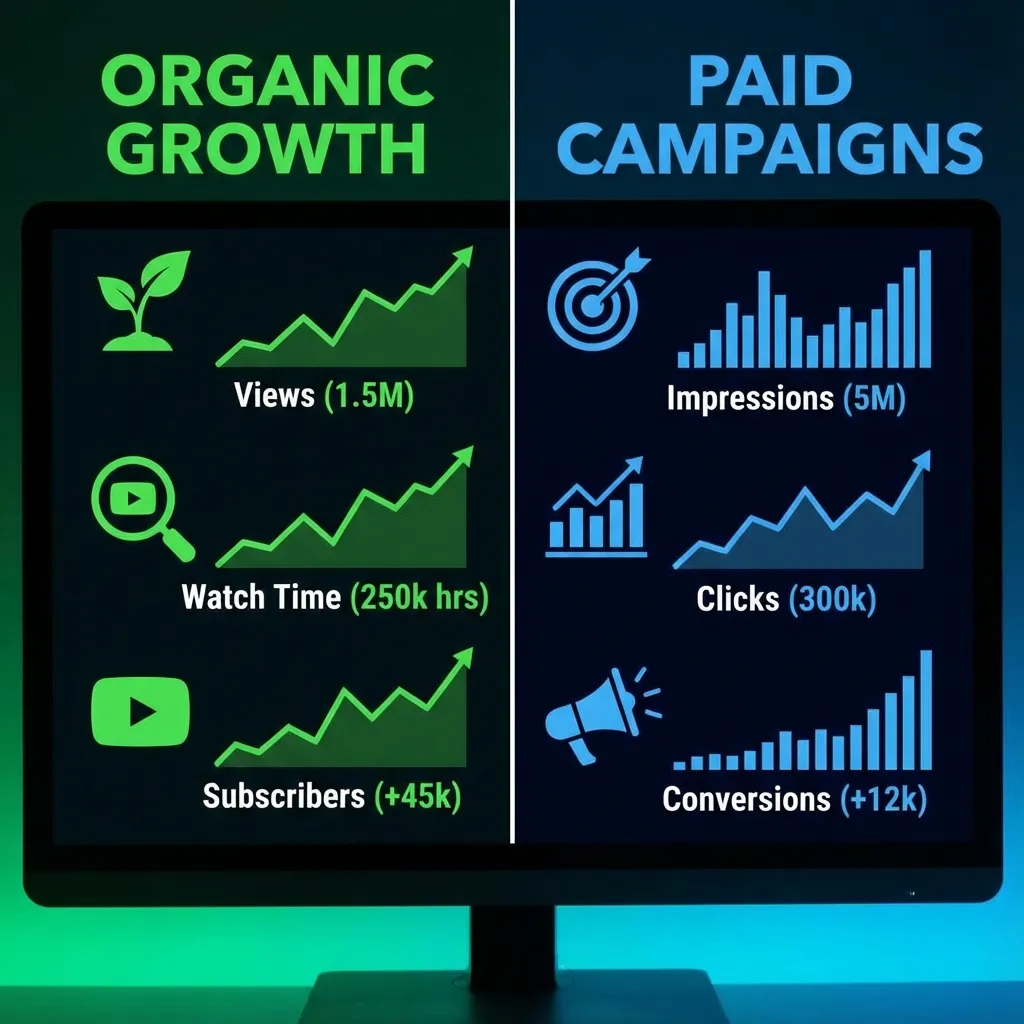
Before we dive into the practicalities, let’s solidify why SEO for hotels is such a critical component of your marketing strategy. Firstly, it drives organic traffic. Unlike paid advertisements, which stop delivering results the moment your budget runs out, a well-optimized website continues to attract visitors long after the initial effort. This translates into a more sustainable and cost-effective acquisition channel.
Secondly, it builds credibility and trust. When your hotel consistently ranks high in search results, it signals to potential guests that your establishment is reputable and relevant. People inherently trust search engines to provide them with the best options, and appearing on the first page instills a sense of reliability.
Thirdly, SEO offers invaluable insights. Through analytics, you can understand what keywords people are using to find hotels like yours, what pages they visit most, and where they drop off. This data allows you to refine your offerings, improve your website experience, and ultimately, enhance your guests’ journey even before they arrive. In 2026, data-driven decisions are the cornerstone of successful marketing.
Keyword Research: The Cornerstone of Your SEO Strategy
Effective SEO for hotels begins with thorough keyword research. This isn’t about guessing what people might type; it’s about understanding the exact phrases and questions they use when searching for accommodations. Start by brainstorming broad terms related to your hotel type and location, such as “luxury hotel London” or “budget accommodation Sydney.”
Then, delve deeper. Consider long-tail keywords, which are more specific phrases that often have lower search volume but higher conversion rates. Examples include “hotel with rooftop pool close to Eiffel Tower” or “pet-friendly hotel near Disneyland.” These users are typically further along in their booking journey and have a clearer idea of what they’re looking for.
Don’t forget local keywords. If your hotel caters to a specific city or neighborhood, ensure your keyword strategy reflects this. “Hotels near [local landmark]” or “accommodation in [specific district]” are crucial for attracting guests who are already in or planning to visit your immediate area. Utilize tools to identify popular search terms, analyze competitor keywords, and discover new opportunities. Remember to include variations and synonyms to capture a wider audience.
On-Page Optimization: Making Your Website Search Engine Friendly
Once you have your target keywords, it’s time to integrate them naturally into your website’s content. On-page SEO for hotels involves optimizing various elements directly on your website to improve its ranking.
High-Quality Content: This is paramount. Your website should be a treasure trove of useful and engaging information for potential guests. Describe your rooms, amenities, dining options, and local attractions in detail. Use vivid language and compelling imagery. Regularly update your blog with articles about local events, travel tips, and hotel news. For example, an article titled “Top 5 Family Activities Near Our Hotel in [City Name]” can attract families planning a trip.
Title Tags and Meta Descriptions: These are the first things searchers see in the results page. Your title tag should be concise, compelling, and include your primary keyword and hotel name. The meta description, while not a direct ranking factor, encourages clicks by providing a brief, enticing summary of the page’s content. Make it irresistible.
Header Tags (H1, H2, H3): Use header tags to structure your content logically and make it easy to read for both users and search engines. Your H1 tag should typically be your page title, and subsequent H2 and H3 tags can break down subtopics. Incorporate keywords naturally within these headings.
Image Optimization: High-quality images are essential for showcasing your hotel, but they also need to be optimized for SEO. Compress images to improve page load speed and use descriptive alt text that includes relevant keywords. This helps search engines understand the content of your images and improves accessibility.
Internal Linking: Strategically link related pages within your website. For example, from a page describing your spa services, link to your room booking page or a blog post about wellness retreats. This helps search engines discover and crawl more of your content, distributing link equity throughout your site.
Technical SEO: The Unseen Foundation
While content and keywords are crucial, the technical underpinnings of your website also play a significant role in SEO for hotels.
Website Speed: A slow-loading website is a major turn-off for users and a red flag for search engines. Guests expect instant gratification, and if your site takes too long to load, they’ll likely abandon it for a faster competitor. Optimize images, leverage browser caching, and consider using a content delivery network (CDN) to improve speed.
Mobile-Friendliness: In 2026, a significant portion of travel planning and booking happens on mobile devices. Your website must be fully responsive, adapting seamlessly to different screen sizes. Google prioritizes mobile-first indexing, meaning it primarily uses the mobile version of your content for ranking.
Schema Markup: This is a powerful tool for hotels. Schema markup provides search engines with structured data about your hotel, such as its name, address, phone number, star rating, and even average review scores. This allows your hotel to appear with rich snippets in search results, making your listing stand out and providing valuable information at a glance. For example, users might see your hotel’s star rating directly in the search results, increasing click-through rates.
XML Sitemaps: An XML sitemap acts as a roadmap for search engine crawlers, helping them discover all the important pages on your website. Regularly submit your sitemap to search engines to ensure your content is being indexed efficiently.
Local SEO: Attracting Guests in Your Vicinity
For hotels, local SEO is incredibly important. Many guests are searching for accommodations within a specific geographical area.
Google Business Profile (GBP): This is arguably the most critical local SEO tool for hotels. Claim and thoroughly optimize your Google Business Profile listing. Ensure all information is accurate and up-to-date, including your hotel’s name, address, phone number, website, hours of operation, and a detailed description. Upload high-quality photos of your property, and encourage guests to leave reviews. Respond promptly and professionally to all reviews, both positive and negative.
Local Citations: Ensure your hotel’s name, address, and phone number (NAP) are consistent across all online directories, travel sites, and review platforms. Inconsistencies can confuse search engines and negatively impact your local rankings.
Location-Specific Content: Create content that highlights your hotel’s proximity to local attractions, events, and business centers. For example, a blog post about “The Best Restaurants within Walking Distance of Our Hotel” can attract guests interested in dining experiences.
Off-Page SEO: Building Authority and Trust
Off-page SEO for hotels focuses on activities outside your website that influence its ranking, primarily through building backlinks.
Backlinks: These are links from other reputable websites to yours. Backlinks act as “votes of confidence” from other sites, signaling to search engines that your content is valuable and trustworthy. Focus on acquiring high-quality backlinks from relevant travel blogs, local tourism boards, news outlets, and industry publications. Avoid questionable link-building tactics, as these can harm your rankings.
Online Reviews: While not a direct ranking factor, positive online reviews on platforms like Google, TripAdvisor, and Booking.com significantly impact your hotel’s reputation and can indirectly influence your SEO. Excellent reviews encourage clicks to your website and improve conversion rates. Actively solicit reviews from satisfied guests and engage with them thoughtfully.
Social Media Presence: While social media doesn’t directly impact SEO rankings, it can drive traffic to your website, increase brand awareness, and encourage engagement. Share your blog posts, promotions, and engaging content across your social channels to expand your reach.
Staying Ahead in 2026: Continuous Optimization
SEO is not a one-time task; it’s an ongoing process. The search engine algorithms are constantly evolving, and your competitors are also working to improve their rankings.
Monitor Your Performance: Regularly track your website’s performance using tools like Google Analytics and Google Search Console. Pay attention to organic traffic, keyword rankings, bounce rate, and conversion rates. This data will help you identify what’s working and where improvements are needed.
Adapt to Algorithm Changes: Stay informed about Google’s algorithm updates. While you don’t need to panic with every minor change, understanding major shifts can help you adjust your strategy to maintain or improve your rankings.
Analyze Competitors: Keep an eye on what your competitors are doing well in terms of SEO. What keywords are they ranking for? What kind of content are they producing? This can provide valuable insights and inspiration for your own strategy.
By consistently implementing these SEO for hotels strategies, your property can significantly improve its visibility in search engine results, attract more qualified leads, and ultimately, drive more direct bookings. In 2026, a strong online presence powered by effective SEO is no longer a luxury; it’s a necessity for any hotel aiming to thrive in a competitive market. Invest in your SEO, and watch your occupancy rates climb.