TL;DR
- The cost of not listening is set out as four consequences: products drifting from what customers need, a gap between brand identity and shifting cultural norms, tone-deaf campaigns and PR missteps, and the slow erosion of brand trust.
- Monitoring and listening are separated: monitoring is casual observation of what was said, while listening processes the feedback, applies context and synthesises insights to act on.
- Structured listening uses consistent tags and categories so mentions become queryable data, while unstructured listening hunts the noise for emerging subcultures and sentiment shifts; mature programmes run both.
- Automated tools are credited with monitoring perception at scale and flagging a brewing crisis, but humans read context and tone, so AI supports human judgment rather than replacing it.
- For Thailand the post says coverage must extend past Facebook, X and YouTube to natively popular networks including LINE, Pantip, Dek-D and Sanook, which is why playbooks imported from other markets do not translate cleanly.
In business today, the pressure is always to talk. With a growing list of channels to broadcast on, brands feel a constant pull to promote, publish, and sell. But some of the smartest brands have quietly flipped that instinct on its head. By investing in genuine listening, absorbing the unfiltered voice of their customers, they build deeper relationships, catch problems before they become crises, and surface product and marketing insights they'd never have found on their own.
That's the promise of social listening: a discipline that has moved from a niche tactic to a core pillar of digital strategy. Far from a fluffy PR exercise, it has become a serious data practice that helps brands read demand, sentiment, and intent in real time. For brands trying to build genuine resonance in Thailand, strong social listening is fast becoming an operational necessity rather than a nice-to-have.
Breaking out of the echo chamber
It's surprisingly easy for a brand to get trapped in its own echo chamber. On the surface everything looks healthy: a steady stream of posts, ads, and emails, all perfectly on-message. Look closer, though, and many brands are really just listening to themselves talk.
The cost of not listening adds up quickly:
- Products and services that drift away from what customers actually need
- A growing gap between your brand identity and shifting cultural norms
- Tone-deaf campaigns and avoidable PR missteps
- A slow erosion of brand trust and equity over time
The through-line is the same: a lack of external truth that leaves you guessing. Modern social platforms hand brands a direct line to honest, unfiltered feedback, sentiment, and behaviour, bypassing the tidy, controllable channels brands usually rely on. People are openly sharing their needs, frustrations, and preferences every day. The only requirement is a willingness to listen, including to the occasional harsh criticism, because that openness is exactly what makes the insight valuable.
The payoff is a steady stream of voice-of-customer data you simply cannot manufacture internally. It tells you which features people love and which they quietly work around, how they describe your category in their own words, and where competitors are letting them down. That raw material feeds everything from messaging and content to the product roadmap, and it keeps your assumptions honest.
The core pillars of social listening
"Listening online" sounds simple, but doing it well means balancing several distinct disciplines. Done fully, social listening turns from an ad-hoc habit into a reliable engine for insight.
Monitoring vs. listening
These sound synonymous, but they aren't. Monitoring is casual observance, overhearing the chatter. Listening is active and purposeful: you process that feedback, apply context, and synthesise insights you can act on. Monitoring tells you what was said; listening tells you what it means and what to do about it.
Structured vs. unstructured listening
Structured listening uses consistent tags and categories to sort mentions into clean, queryable data, which makes reporting and measurement fast and repeatable. Unstructured listening is more exploratory, hunting through the noise for emerging subcultures, sentiment shifts, and unexpected signals that spark new ideas. Mature programmes need both: structure for rigour, exploration for discovery.
Combining automation and human judgment
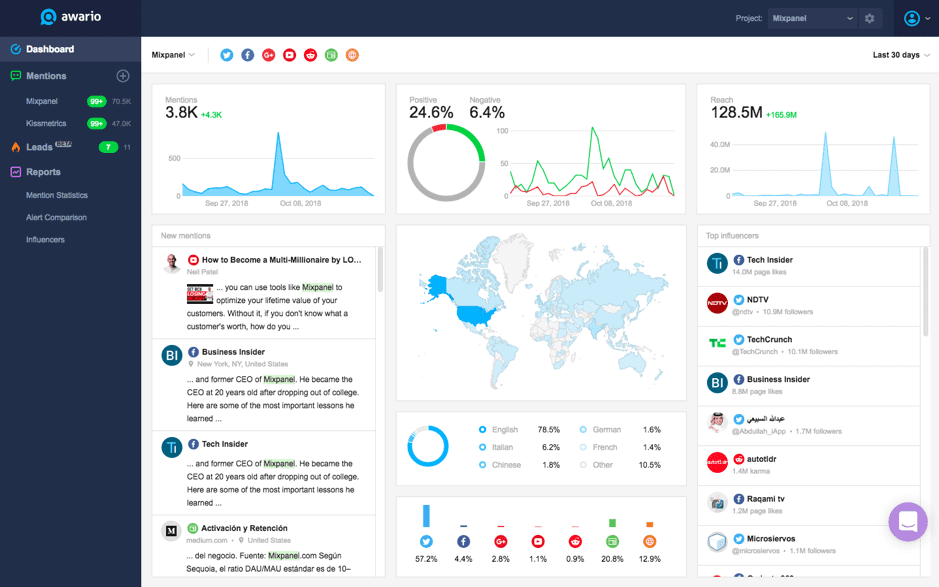
Automated tools are excellent at monitoring perception at scale and flagging a brewing crisis the moment it starts. But humans are still essential for reading context, tone, and the deeper meaning behind what people say. The strongest set-ups let technology handle the routine, high-volume work while surfacing the interesting moments for human analysts to interpret. AI supports human judgment here; it doesn't replace it.
Tying social data to business impact
The real test of a listening programme is whether it changes anything. Insight for its own sake isn't enough. It has to feed smarter product roadmaps, better-defined audiences, sharper risk planning, and more empathetic brand experiences. Programmes that connect these insights to real decisions across the business are where the genuine value lives.
How to get started with social listening
- Define what you want to learn. Start with clear questions, such as how people feel about a recent launch or which pain points keep recurring, rather than tracking everything at once.
- Map where your audience actually talks. Cover the obvious platforms, then extend to the local networks that matter in your market.
- Set up a simple tagging system. Agree on categories for sentiment, topic, and priority so your data stays usable as volume grows.
- Blend tools with human review. Let software catch the mentions, but have someone read the important ones in context.
- Close the loop. Route insights to the teams who can act, whether that's product, support, or marketing, and track what changes as a result.
Localised social listening in Thailand
For brands operating in Thailand's rich digital culture, listening well means going beyond the global platforms. Alongside Facebook, X, and YouTube, a huge share of the conversation happens on natively popular networks such as LINE, Pantip, Dek-D, and Sanook. Each has its own norms, tone, and communities.
That multilingual, multi-platform complexity is exactly why playbooks imported from other markets rarely translate cleanly. Analysts who understand local customs, dialects, and subcultures, and who can pull relevance from large volumes of unstructured Thai-language conversation, make the difference between surface-level monitoring and genuine understanding. With that localised capability in place, you can track everything from an early micro-trend to a full national conversation, and adapt both your real-time response and your longer-term strategy to what people actually care about.
What social listening lets you do
Once a listening habit is in place, the applications compound. You can spot an emerging complaint before it snowballs into a public crisis, then respond while it's still small. You can validate a campaign concept against how people genuinely talk, so your messaging lands instead of grating. You can find unmet needs your competitors are ignoring and turn them into positioning. And you can measure how sentiment shifts after a launch, giving product and marketing a shared, evidence-based view of what's working. The common thread is speed: listening turns slow, quarterly guesswork into continuous, real-time understanding.
Frequently asked questions
What is the difference between social listening and social monitoring?
Monitoring tracks mentions and metrics as they happen. Social listening goes further: it interprets that data in context to understand why people feel the way they do, then turns those findings into decisions. Monitoring is the input; listening is what you do with it.
Do I need expensive tools to start?
Not to begin with. You can start by manually reviewing conversations on the platforms where your audience is most active and tagging what you find. As volume grows, dedicated tools help you scale, but the discipline of asking good questions and acting on the answers matters more than the software.
How is social listening different in the Thai market?
Much of the conversation lives on local platforms like LINE, Pantip, and Dek-D, and it plays out in Thai across distinct communities. Effective listening here depends on local language and cultural understanding, not just translated keywords, which is why regional expertise matters so much.
Being quiet, and hearing what matters
Social listening is far more than tallying mentions and stringing vanity metrics into a report. It's a rigorous way to keep your brand human, centring your strategy, product, and marketing on real empathy for your customers. By listening actively and drawing meaning from both structured feedback and messier, unstructured signals, you stop trying to be the loudest voice in the room and start joining the right conversations with something worth saying.
If you'd like help building a listening strategy that turns audience insight into stronger search and content performance, our SEO team in Thailand can help you put it to work.