TL;DR
- PPC charges per click and can put a brand on the first page of Google quickly, while SEO earns unpaid placement and takes far longer to show results.
- The main PPC drawback given is cost: large, well-funded companies hold the expensive keywords, which limits the growth of newly founded businesses.
- The worked example is an unknown shoe brand that cannot win a broad keyword like 'men's shoes' and switches to niche or long-tail keywords naming the model and the price.
- SEO is credited with attracting higher-quality visitors, creating a first impression that leads to word-of-mouth marketing, and rankings that can fall but not within a day or two.
- The advice for a limited budget is to invest in PPC gradually until the business finds its footing, and only then scale the campaign.
If your business is just getting off the ground, the choice between search advertising and search engine optimization can feel like a fork in the road where both paths look expensive. The good news is that it isn't really an either/or decision. It's a question of sequencing: which one earns its keep first when your budget is tight and nobody has heard of you yet. This guide breaks down what PPC and SEO each do well, where they let you down, and how a new business can get the most out of a small marketing budget.
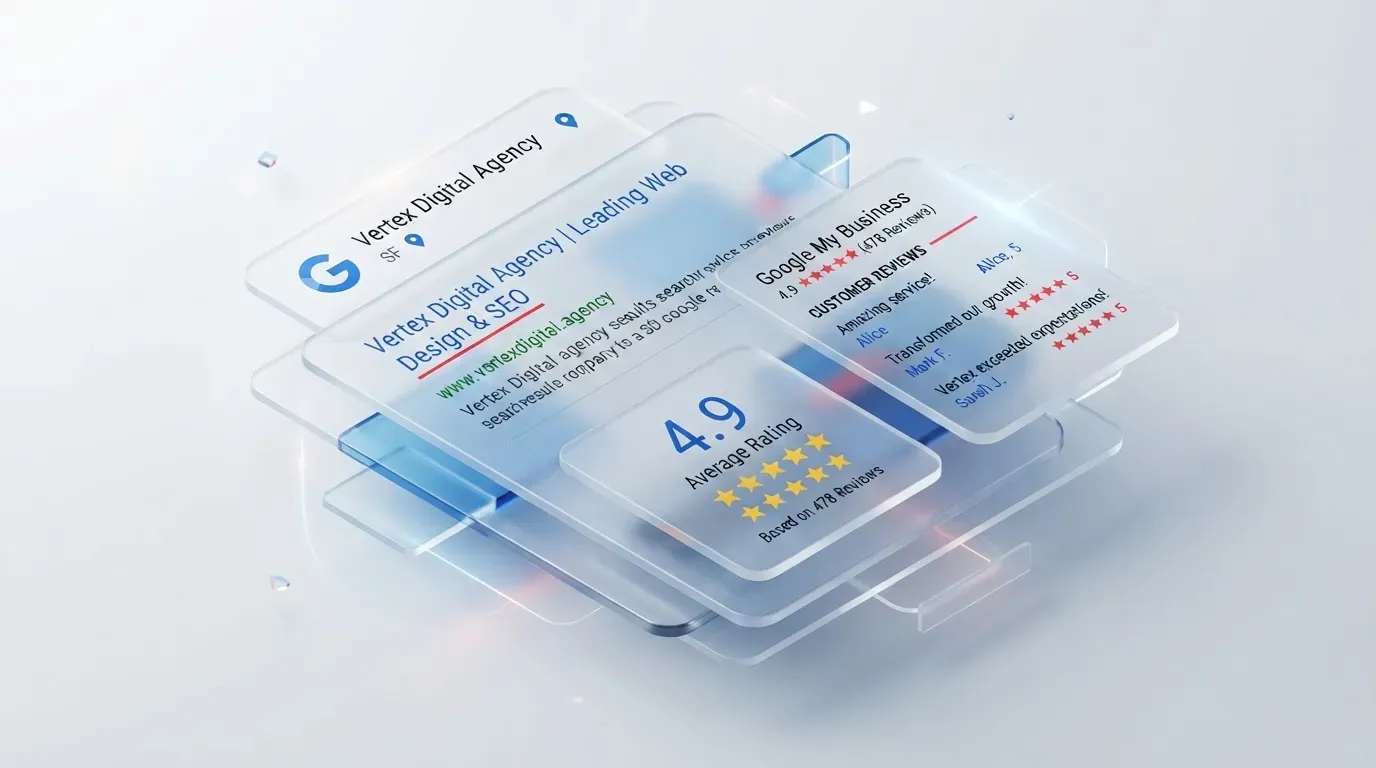
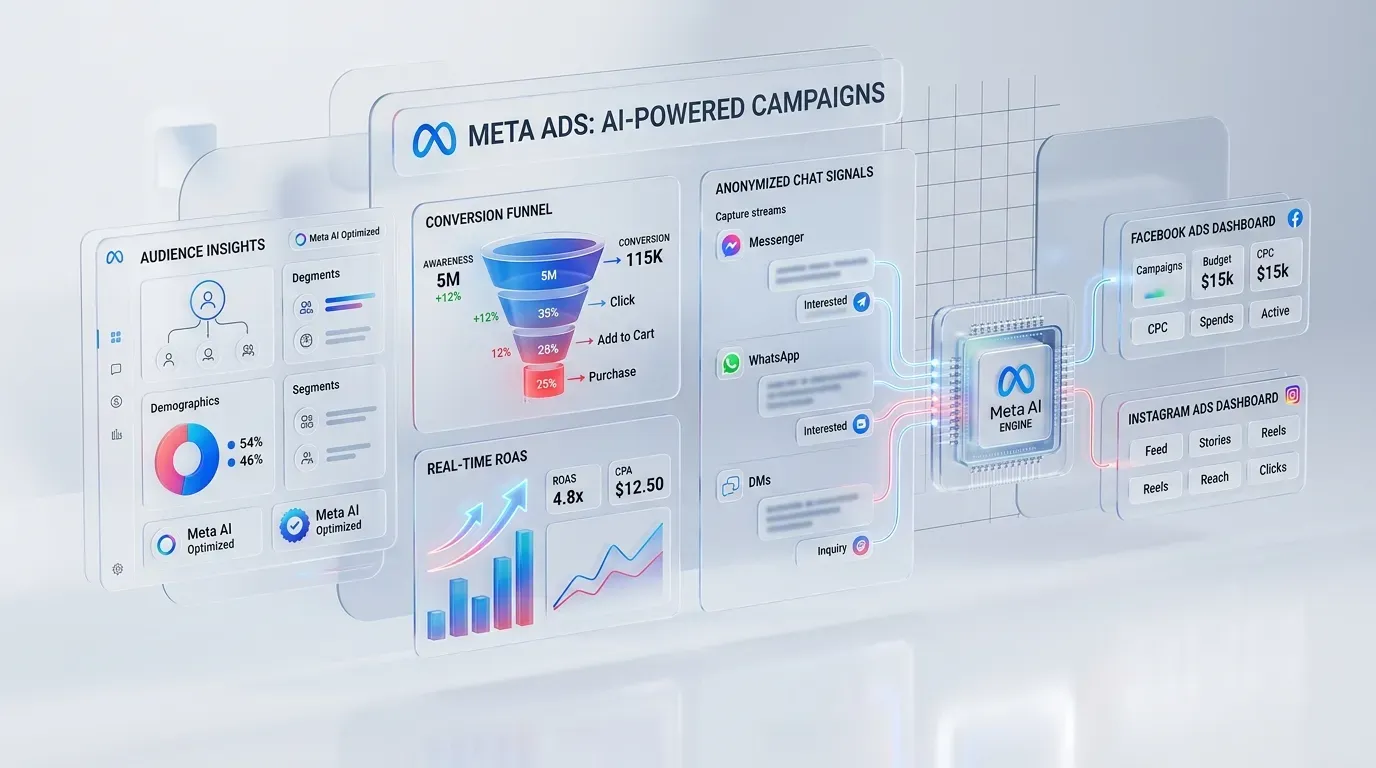
PPC (pay-per-click) puts your ad in front of people the moment they search, and you pay each time someone clicks. SEO (search engine optimization) earns your place in the unpaid results by making your site genuinely useful and technically sound. One is a tap you can turn on today. The other is a well you dig once and draw from for years.
What PPC does well for a new business
You get results the same week
The hardest part of launching is that no one knows you exist. Building an audience organically takes months. A paid search campaign skips the queue: you can be on the first page of results within hours of setting it up, as long as your bids and targeting are sensible. That speed matters when you need proof that people actually want what you're selling before you commit more money to it.
Traffic you can control
Organic traffic builds slowly and unpredictably in the early days. Paid traffic is a dial you can turn up or down. Want more visits this week because you just launched a product? Raise the budget. Cash is tight this month? Pull it back. For a young business still figuring out its numbers, that level of control is worth a lot.
A way to compete with much bigger companies
Established competitors have more staff, more budget, and years of brand recognition. You will not out-spend them on broad, expensive terms like "men's shoes." But you don't have to. Narrower, more specific searches (long-tail keywords) that name a style, a use case, or a price range are cheaper and pull in people who are closer to buying. A small brand that targets "waterproof trail running shoes under 3000 baht" can quietly win customers the giants aren't bothering to chase.
Where PPC gets expensive
The obvious drawback is that the moment you stop paying, the traffic stops. PPC rents attention; it doesn't own it. In competitive markets, well-funded companies bid up the popular keywords, which can price a young business out of the terms it wants most.
That's why the smart approach for a startup is to invest gradually. Start with a small daily budget, keep a tight list of specific keywords, and add negative keywords so you're not paying for clicks that will never convert. Scale up only once the campaign is reliably turning clicks into customers. Money spent before you understand your conversion rate is money spent learning, not earning.
What SEO gives you that PPC can't
Better-quality visitors
Paid clicks bring traffic, but not every visitor is a buyer. Some click by reflex and leave immediately. SEO tends to attract people with clearer intent, because ranking well means your page genuinely matches what they searched for. Over time that alignment produces visitors who are more likely to stick around, trust you, and convert.
Credibility and first impressions
Many searchers trust organic results more than ads. Appearing there, on a page that loads fast and answers the question well, creates a strong first impression and the kind of word-of-mouth that paid placements rarely earn. That trust compounds.
Growth that lasts
SEO is slower to pay off, and it asks for steady work: useful content, a clean site structure, links, and regular upkeep. But once a page ranks, it can hold that position for a long time and keep bringing in visitors without a per-click fee. Rankings can slip, but not overnight, and consistent effort keeps them steady. It's the closest thing to compounding interest that marketing offers.
PPC vs SEO at a glance
| Factor | PPC | SEO |
|---|---|---|
| Time to results | Hours to days | Months |
| Cost model | Pay per click, ongoing | Upfront effort, low ongoing cost |
| What happens when you stop | Traffic stops | Traffic continues |
| Control over volume | High and immediate | Low and gradual |
| Best for | Fast validation, launches, promotions | Long-term, compounding growth |
A sensible starting sequence for a tight budget
You don't have to choose one forever. Most new businesses do best by leading with paid search to get moving, then layering SEO underneath so their reliance on paid clicks shrinks over time.
- Start a small paid search campaign on specific, high-intent keywords to test demand and learn what converts.
- Add negative keywords and tighten targeting so your budget only chases clicks worth having.
- Use what you learn from paid searches (the exact terms that turned into sales) to guide the content you build for SEO.
- Publish genuinely useful pages around those proven terms and fix the technical basics: speed, mobile layout, clear structure.
- As organic rankings grow, gradually shift budget away from the paid terms you now rank for, and reinvest it in testing new ones.
Handled this way, PPC funds the early days and hands the baton to SEO, which carries the growth forward at a lower cost.
Mistakes that quietly drain a small budget
Most wasted spend in the early months doesn't come from bad luck. It comes from a handful of avoidable habits. Watch for these:
- Bidding on broad terms like "shoes" or "marketing" that pull in clicks from people who will never buy from you.
- Sending paid traffic to a slow or confusing landing page, so the clicks you paid for bounce before they convert.
- Setting up a campaign and walking away. Without regular review and fresh negative keywords, budget leaks toward irrelevant searches.
- Treating SEO as a one-time task. A page published and forgotten rarely climbs; rankings reward steady upkeep.
- Judging results too early. PPC needs a few weeks of data to read clearly, and SEO needs months. Pulling the plug early throws away the learning you already paid for.
Avoiding these won't make growth instant, but it stops money from slipping out the back door while you build.
Frequently asked questions
Should a startup do PPC or SEO first?
Usually PPC first. It gives you fast feedback on whether people want your product and which keywords convert. Use that data to build an SEO plan that isn't guesswork.
How much should I budget for PPC when starting out?
Begin small enough that a bad week won't hurt, but large enough to gather real data over a few weeks. The exact figure depends on your click costs and how many clicks you need before you see a conversion. Scale up only once the numbers work.
Can I skip PPC and rely only on SEO?
You can, if you have the patience for it to take months. The trade-off is a slow start with no early revenue to fund the business. Many founders find a small PPC budget worth it just to keep the lights on while SEO matures.
Is SEO really free?
There's no per-click charge, but it costs time and effort, and often money for content and technical work. The payoff is that the cost per visitor falls over time instead of staying fixed.
Deciding what's right for your business
For most new businesses the answer isn't PPC or SEO, it's both, in the right order. Lead with paid search to prove demand and generate early sales, then build SEO underneath so your growth stops depending on a per-click bill. Get the sequencing wrong and you either burn cash or wait too long for traction.
If you'd like help mapping out where to start, our Google Ads management team can look at your market, your budget, and your goals and build a plan that spends carefully while you find your footing. A short conversation now can save a lot of wasted spend later.