TL;DR
- A common frame splits the customer journey into 5 stages: awareness, consideration, purchase, retention and advocacy, and advocacy loops back to feed awareness.
- A customer journey map lists, for each stage, what the customer does, thinks and feels, the touchpoints involved, friction points and 2 to 3 owned improvements.
- GA4 funnel and path exploration show where users drop off on the site; a CRM adds the off-site steps such as chats, calls and bank-transfer sales.
- In Thailand, LINE OA often carries almost every stage for service businesses, while marketplace sellers see little customer data and must follow platform rules.
A customer journey is the full path one customer takes, from realising they have a problem and discovering a brand, through comparing options and buying, to using the product and then buying again or recommending it. Businesses use the idea to see where customers meet the brand, how they feel at each point, and where they get stuck and drop out. When that path is drawn as a single picture, it is called a customer journey map, a tool marketing, sales and service teams use to talk about the same customer in the same language.
What a customer journey is, in plain terms
Picture someone who wants an air purifier during a week of high PM2.5. They might start by seeing the dust reading in a weather app, search Google for which purifier brand is good, watch reviews on YouTube, compare prices on a marketplace, message a shop to ask about room size, and then order. After that comes waiting for delivery, unboxing, setup, changing filters, and perhaps coming back to the same shop for replacement filters several times. All of those stages together are that customer's journey.
What matters is that a customer journey is seen from the customer's side, not from the company's org chart. The customer does not care whether a slow chat reply belongs to sales or to service. They only know they waited too long and bought somewhere else. Looking at it this way exposes the handovers between teams, which is often where customers drop out most.
It also helps to accept early that real journeys are not straight lines. Some people see an ad and buy on the spot. Some loop back to compare for weeks. Some start from a friend's recommendation and skip search entirely. Stage models are a thinking frame, not a sequence every customer has to follow.
How many stages a customer journey has
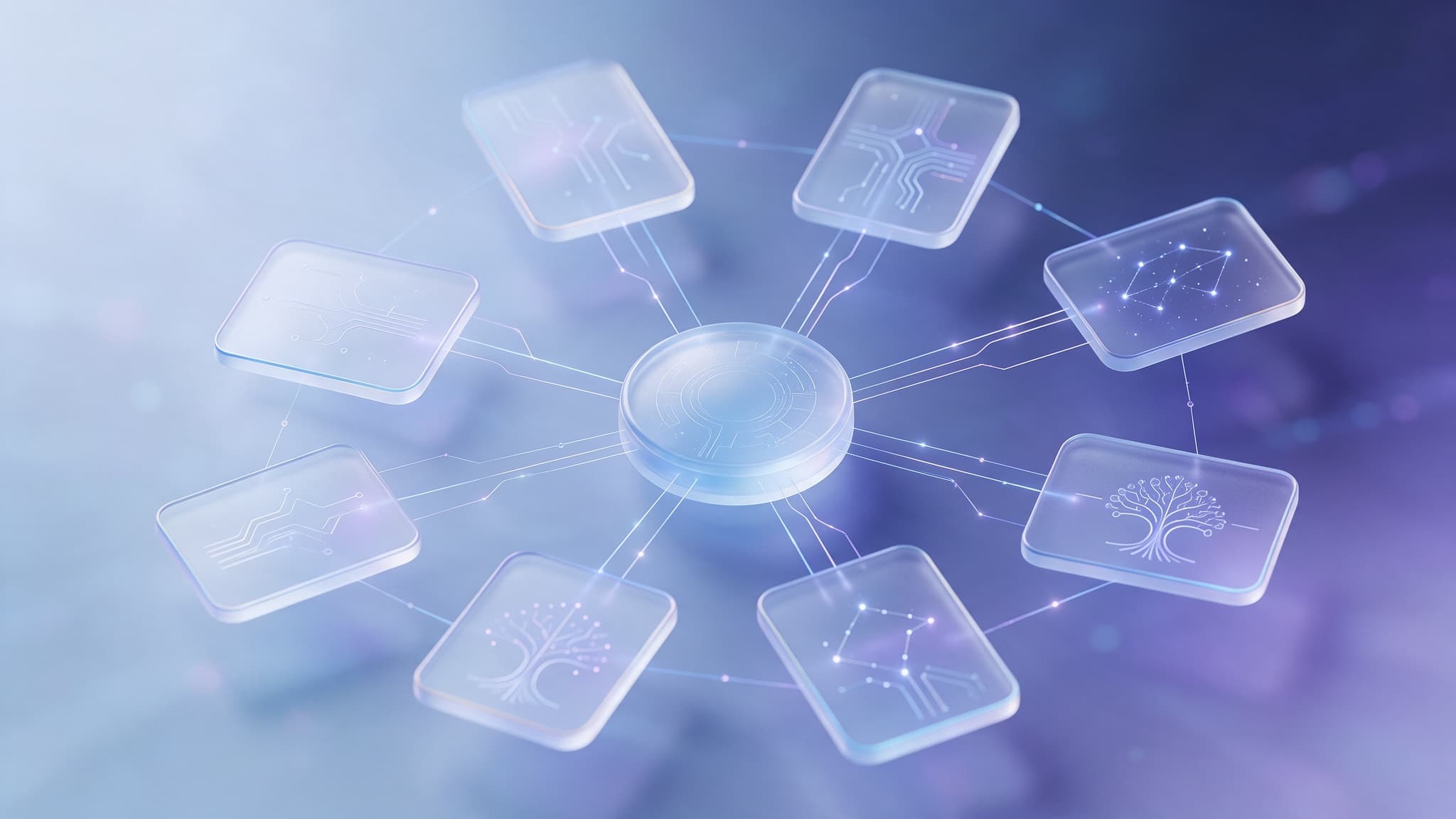
Different textbooks split the customer journey stages differently, some into 3 stages and some into 7, but the most widely used frame, and one that fits most businesses, has 5 stages.
1. Awareness
The customer starts to recognise a problem or need and starts to know the brand exists. Common channels are social ads, search results, video content, or seeing the product through people they know. What to measure here is reach, branded search and new visitors, not sales.
2. Consideration
The customer compares options, reads reviews, checks prices and asks questions. Content that answers doubts directly carries a lot of weight: model comparison tables, FAQs, or a chat that replies quickly. Useful measures are product page views, add-to-cart events and chats started.
3. Purchase
The customer is ready to pay. The obstacles here are often small but cost real sales: a form that is too long, a delivery fee revealed only at the end, missing payment options, or a page that loads slowly on mobile. A landing page designed with short steps and complete information reduces drop-off at this stage directly.
4. Retention
What happens after the purchase decides whether the customer comes back: delivery updates, usage guides, after-sales answers and reminders when it is time to reorder. Many businesses put their budget into acquiring new customers and barely design this stage at all, even though existing customers already know the brand and do not need paid ads to be brought back each time.
5. Advocacy
Satisfied customers write reviews, recommend friends or share their experience on social media. This stage loops back to feed the awareness stage of new customers, which is why many models draw the customer journey as a circle rather than a line.
What a touchpoint is
A touchpoint is any point where the customer comes into contact with the brand: an ad, a web page, a LINE message, a shop assistant, the parcel box, the receipt, or the hold music on a call centre line. Each stage of the customer journey has several touchpoints layered on top of each other, and customers judge the brand on the combined experience of all of them, not on the single best one.
Touchpoints fall roughly into three groups. The first is points the brand fully controls, such as the website, app, email and LINE Official Account. The second is points it partly controls, such as a marketplace storefront that has to follow the platform's rules. The third is points it does not control, such as customer reviews, forum threads or creator videos. Knowing which group a touchpoint sits in keeps goals realistic: fix the controllable points as well as possible, and use listening and response for the ones you cannot control.
What a customer journey map is and how to make one
A customer journey map is a diagram of the path of one customer group, with the stages along the horizontal axis and details for each stage in rows: what the customer does, what they think or ask, how they feel, the touchpoints involved, the problems they hit, and the opportunities to improve. There is no required format. Paper, a whiteboard or a spreadsheet all work. What matters more than how it looks is that the content comes from real customers.
A practical way to build a customer journey map:
- Pick one customer group and one goal. A map that tries to cover every customer becomes too broad to decide anything with. Choose "new customers buying for the first time on mobile" rather than "all customers".
- Collect real data before drawing. Use GA4 data, chat logs, CRM records, return reasons and short interviews with 5 to 10 customers. A handful of interviews often reveals problems the numbers cannot show.
- Define stages the way customers actually move. Start from the 5 stages above, then rename or split them to fit the business. A B2B business, for example, may need a stage for internal approval at the client's company.
- Add touchpoints and actions to each stage. Write what customers really do, such as "checked the delivery fee and closed the page", not what the company wishes they did.
- Mark feelings and friction points. Use customers' own words from chats or interviews. The points where feeling drops are the ones to fix first.
- Choose 2 to 3 improvements. Give each an owner and a metric. A map with no follow-up work becomes a poster on the wall that everyone forgets.
- Review it regularly. When you open a new channel, change the payment system or see customer behaviour shift, update the map.
One caution: a map the team guesses at in a meeting room reflects the team's beliefs, not customer reality. If you do not have data yet, label clearly which parts are assumptions still to be tested.
How customer journey differs from customer experience
The two terms are often used interchangeably, but they mean different things. The customer journey is the path and the sequence of what happens. Customer experience, or CX, is the overall feeling and perception a customer has of the brand from every interaction. Put simply, the journey is the road map and the experience is how the trip feels. Improving CX therefore relies on the journey to show where to fix things.
| Aspect | Customer journey | Customer experience (CX) |
|---|---|---|
| Main question | Which stages and touchpoints does the customer pass through | How does the customer feel about the brand overall |
| Typical output | Customer journey map, stage sequence, funnel | Satisfaction scores, reviews, repeat purchase rate |
| What it is for | Finding where customers drop out or get stuck | Checking whether improvements made customers happier |
| Example data | GA4 path exploration, chat history, CRM deal stages | Post-purchase surveys, NPS, complaints |
In practice, teams that do this well use both together: the journey to find what to fix, and CX measures to check that the fix worked.
How to measure a customer journey with GA4 and a CRM
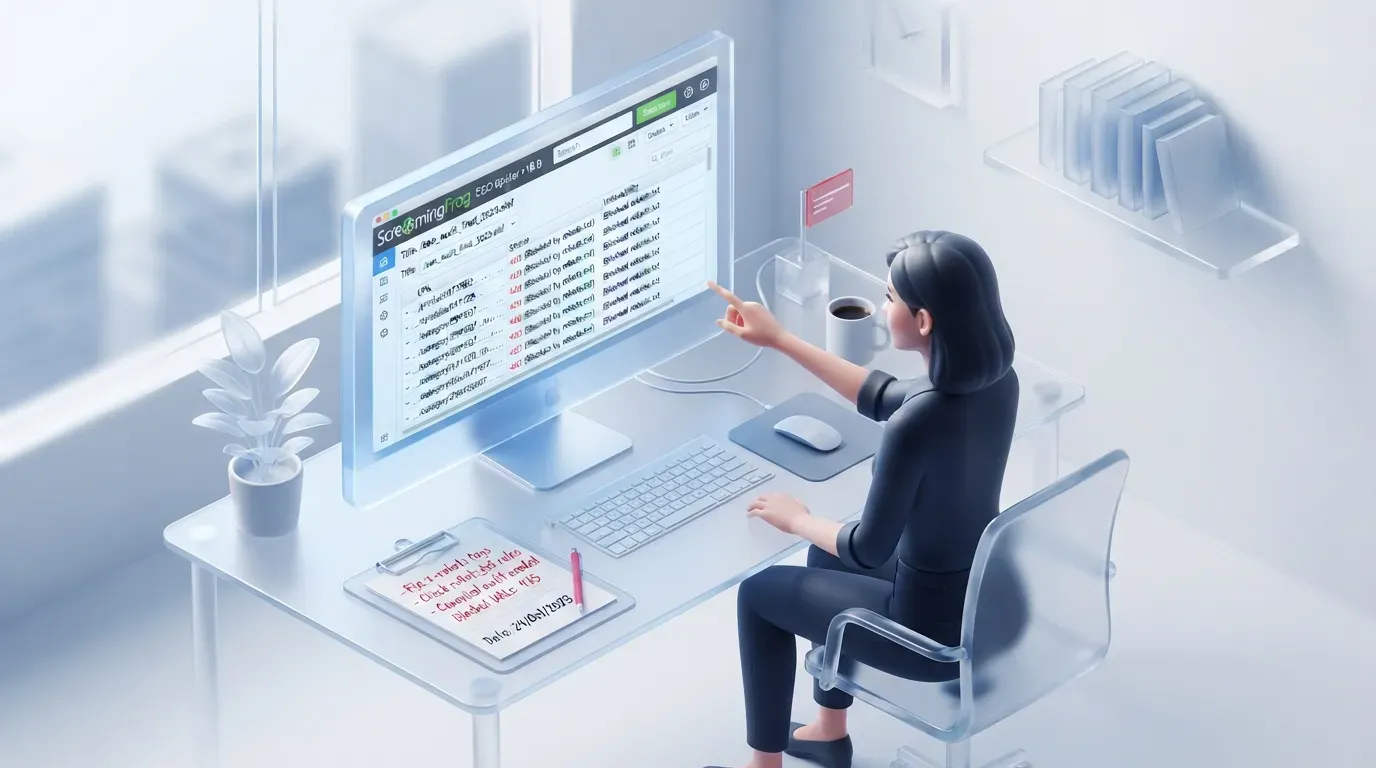
A good customer journey map has to be measurable. Most of the data comes from two sources: GA4, which records behaviour on the website and app, and a CRM, which holds customer records and contact history.
What GA4 can do
- Events and key events. GA4 records every action as an event. Set up events that match journey stages, such as view_item for consideration and add_to_cart and begin_checkout for purchase, then mark the events that are real goals as key events.
- Funnel exploration. In the Explore menu you can build a funnel from the steps you define, see which step loses the most users, and break it down by device or traffic source.
- Path exploration. This shows the paths users actually take on the site, both forward from a starting point and backward from an end point, which surfaces routes you did not expect.
- UTM parameters. Tag links from channels GA4 cannot separate on its own, such as links in a LINE broadcast or a social bio link. Otherwise that traffic tends to end up lumped into direct or referral.
What a CRM can do
GA4 only sees what happens on the website or app, but a large part of many customer journeys happens off the site: chat conversations, phone calls, or a sale closed by a staff member. A CRM fills that gap by recording where each customer came from, how many times they were contacted, which deal stage they are in and when they bought again. When form and chat data flow into the CRM together with their source, you can see the path from first click to revenue, a picture GA4 alone cannot give.
Limits worth knowing
Measuring a customer journey is never complete. Users who decline cookies, people who switch devices midway and word-of-mouth conversations are all invisible to tracking systems. GA4 also limits user-level data retention for Explore reports to 2 or 14 months on a standard property, so set it to the longest option from the start. Treat the data as a way to read trends and make comparisons, not as perfectly accurate numbers.
Customer journey examples from Thai businesses
Customer behaviour in Thailand has traits that make the customer journey differ from textbook examples written for other markets. Two stand out: the role of LINE and the role of marketplaces.
A service business using LINE OA
Take a hypothetical beauty clinic. A customer sees an ad on Facebook or TikTok, taps through to the LINE OA, asks about prices and open slots, a staff member replies in chat and books a date, a reminder goes out before the appointment, a feedback form follows the treatment, and a message invites the customer back when the repeat cycle is due. In this journey the LINE OA is the main touchpoint at almost every stage. The common problem is that the conversation lives in chat but is not connected to any system, so nobody knows which customer came from which ad, or who is due for a follow-up. A LINE CRM that tags customers by stage closes that gap.
A shop selling on marketplaces
For a shop selling on Shopee or Lazada, the consideration and purchase stages happen entirely inside the platform. Customers compare prices, check review scores, collect discount codes and ask the shop questions through the platform's chat. The limitation is that the shop has little access to customer data and must follow the platform's rules. Many businesses therefore design the journey so buyers have a reason to keep following the brand on its own channels, such as registering a product warranty on the brand's website. Always check each platform's policy first, since some prohibit steering customers to buy outside the platform.
Points to keep in mind for the Thai market
- Many customers expect fast chat replies, so a slow response during consideration is a drop-off point to watch.
- Paying by PromptPay QR and mobile banking is routine, so a checkout that does not support it adds friction for no reason.
- Many businesses still close sales by bank transfer with a payment slip sent in chat. Count that as a stage in the journey and have a way to record it in your system.
- If you collect personal data to track the journey, you must comply with Thailand's Personal Data Protection Act (PDPA), including getting consent where it is required.
Common mistakes when working on a customer journey
- Drawing it from the company's side. Stages get named after departments, such as "hand over to sales", instead of what the customer does, so the handovers customers actually feel stay hidden.
- Using one map for every customer group. New and repeat customers walk different paths, and merging them skews the conclusions.
- Stopping at the purchase. Ignoring after-sales, which directly affects repeat purchases and referrals.
- Measuring everything and fixing nothing. Reports are all set up but nobody owns the improvements. Pick fewer fixes and actually do them.
- Never updating it. A map made several years ago may not include the channels customers use today.
For repeatable tasks tied to journey stages, such as a welcome message after sign-up, an abandoned cart reminder, or a reorder prompt when the cycle comes round, setting up marketing process automation keeps each stage running consistently without relying on staff to remember.
Frequently asked questions about the customer journey
How is a customer journey different from a sales funnel?
A sales funnel looks from the business's side at how many prospects remain at each stage down to the sale, while a customer journey looks from the customer's side at what they do, think and feel, including the after-sales stage a funnel usually leaves out. The two work together: the funnel gives the numbers and the journey gives the reasons behind them.
Does a small business need a customer journey map?
Yes, but it does not have to be complicated. A small business can do it on one sheet of paper by writing down the main stages, the touchpoints actually in use, and the points where customers ask the most questions or disappear. That alone is enough to see what to fix first.
How often should a customer journey map be updated?
Review it at least once a year and whenever something big changes, such as opening a new sales channel, changing back-office systems, or seeing the drop-off rate at one stage shift clearly.
What tools do you need to make a customer journey map?
You do not need specialist software, since a spreadsheet or an online whiteboard is enough. What you really need is GA4 data, CRM data and the customer's own voice from chats or interviews.
Start where customers drop out the most
If you have never worked on a customer journey before, the simplest starting point is to pick one customer group, check the GA4 funnel for the step with the biggest drop, then read that group's chats to find the reason. If you want help planning the full path, customer experience optimization for e-commerce looks at friction from the product page through to after-sales. Businesses that rely on chat as their main channel can look at LINE CRM, and if the drop is on the first page people land on from ads, landing page design is a good place to begin.