Google's top search result used to be the finish line. Now it's a footnote sitting below an AI Overview that already answered the question, citing sources the user never bothers to click. That's search in 2026, and it's a weird thing to watch happen in real time.
Ranking number one on a results page doesn't mean much anymore. AI Overviews, chat assistants, and other generative engines summarize answers right there on the page, or inside a chat window, and people get what they need without scrolling past it. So what counts as winning now? Becoming the source AI models trust enough to name. Forget the blue link. The goal is being the reference point generative engines reach for when they're building an answer.
This shift is already reshaping how brands think about content. Here's what it actually means, and what you can do about it.
- What Generative Engine Optimization Actually Means for Your Content
- 5 Practical Techniques to Boost AI Search Visibility
What generative engine optimization actually means for your content
Generative Engine Optimization, or GEO, is about shaping content so AI systems can understand it, trust it, and quote it back. Old-school SEO chased keywords and backlinks. GEO cares about something a little different: clarity, structure, and trust signals a machine can read fast and without confusion.
Here's a simple way to think about it. Search engines used to scan a page looking for matching words. AI models read more like a person does, trying to figure out who's talking, what they're claiming, and whether that claim is solid enough to repeat somewhere else. That's a real shift in how you have to write and organize things.
From keywords to entities: why 2026 SEO rewards clarity
Entity-based SEO 2026 runs on relationships, not phrase-matching. Instead of chasing the exact words someone typed into a search bar, generative engines try to map entities, people, brands, products, places, ideas, and figure out how they connect.
Practically, that means your content has to make clear who's speaking, what they know, and how that expertise ties back to the topic at hand. Vague writing gets skipped. Clear, specific writing gets picked up and cited.
A few things that actually help:
- Name specific people, brands, and organizations instead of leaning on vague pronouns
- Define terms the first time you use them
- Connect ideas so the relationships between concepts are obvious, not implied
- Keep naming consistent so an AI model isn't left guessing who or what you mean
This is the kind of structural groundwork that belongs inside good AI content workflows, where clarity gets built in from the first draft instead of patched on at the end.
How AI Overviews choose what to cite
AI Overviews aren't picking sources at random. They favor content that answers the question directly, backs it with something credible, and presents it in a way that's easy to pull out and quote. Bury your answer under three paragraphs of throat-clearing intro, and you're probably not getting cited. Answer clearly near the top, back it with specifics, and your odds go way up.
Generative engines also seem to reward consistency across the web. When several credible sources describe your brand or expertise in similar terms, that reinforces trust. It's a big reason why Duke Agency digital growth strategies focus so much on aligning content structure with how these engines actually parse information, rather than guessing at tactics that stopped working a while ago.
Not sure where your content stands right now? Our services include a full breakdown of how AI systems are currently reading and ranking your pages.
5 practical techniques to boost AI search visibility
Knowing the theory is one thing. Applying it is where the results actually happen. Here are five techniques worth using right now if you want a better shot at getting cited by AI-powered search tools.
1. Answer the question immediately. Don't make readers, or AI models, wait for the point. Put the direct answer in the first sentence or two, then build out the detail after. Optimizing for AI overviews basically means handing the engine an easy, quotable line right up front.
2. Boost fact-density and source credibility. Vague claims don't get cited. Specific numbers, dates, and verifiable details do. Content fact-density for AI improves a lot once you swap filler phrases like "many experts believe" for original data, clear stats, and precise definitions.
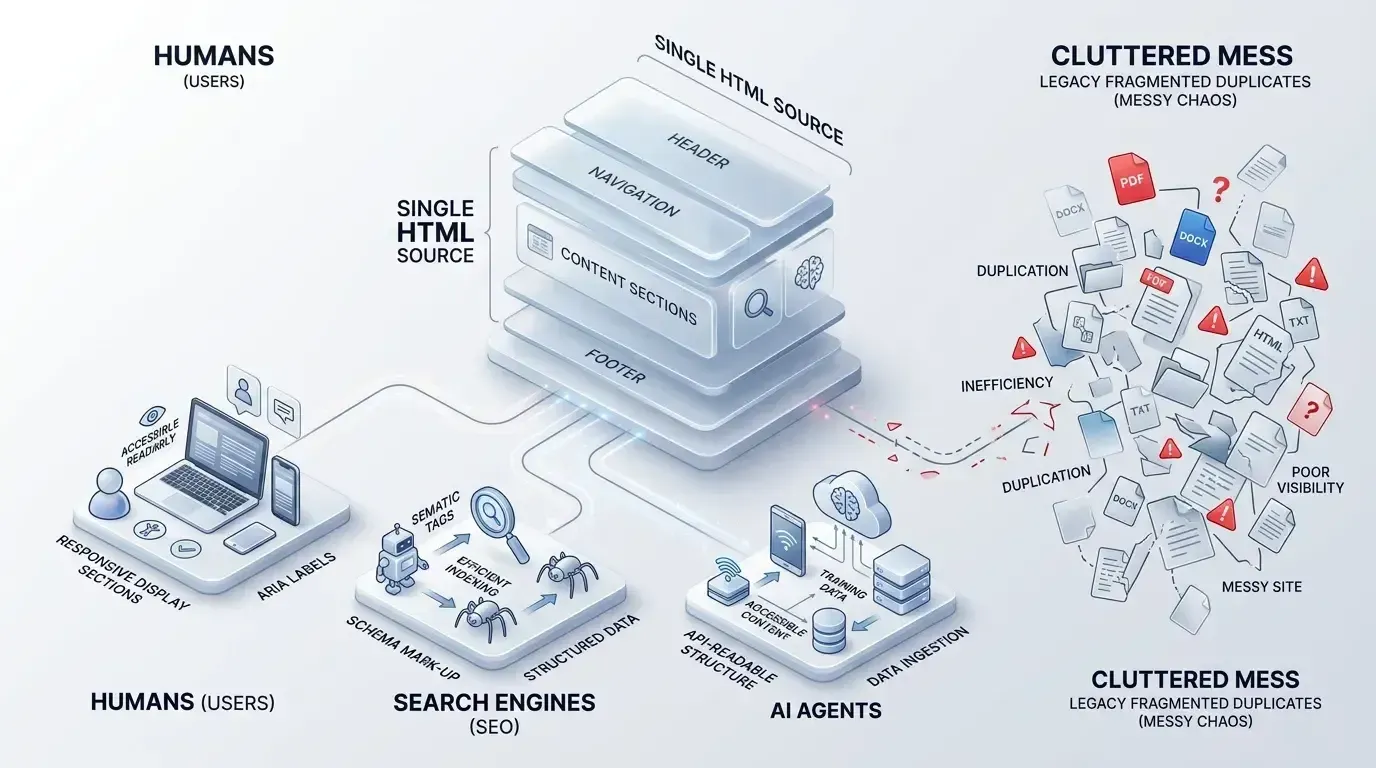
3. Structure content for machine readability. Clear headers, short paragraphs, bullet points, FAQ sections. Good for human readers, and it happens to be exactly how AI crawlers scan and pull information. Schema markup matters here too, since it tells search engines and AI models what kind of content they're looking at and who wrote it.
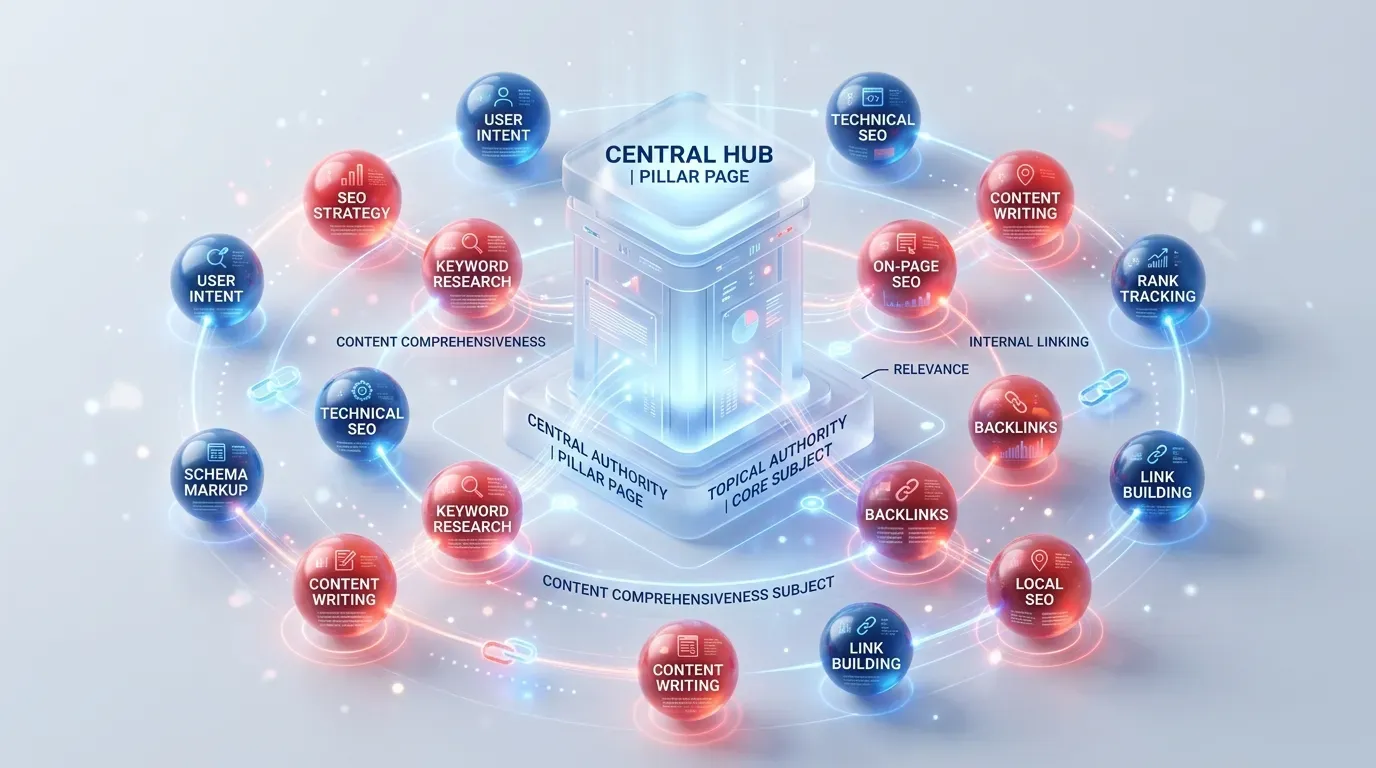
4. Build topical depth, not just breadth. Skip the ten shallow articles on one subject. Write one or two that actually go deep enough to answer the follow-up questions someone would reasonably ask next. Generative engines tend to favor sources that show real depth over ones that skim past it.
5. Reinforce your expertise consistently. Author bios, about pages, external mentions, they should all describe your expertise the same way. That consistency helps an AI model build confidence in who you are and why your content is worth trusting.
Boost fact-density and source credibility
Worth slowing down on this one, since it matters more than people expect. AI models lean toward content that reads as credible and specific. That means trading soft language for hard facts wherever you can.
Compare these two:
- "Many businesses have seen improvements after adjusting their content strategy."
- "A 2025 industry analysis found that businesses updating their content structure for AI readability saw a 34% increase in citation frequency within six months."
The second one gives an AI model something concrete to grab onto. Specific, sourced, easy to quote. That's the writing that gets picked up.
Structure content for machine readability
Formatting isn't about looking nice. It's about giving AI crawlers a clean path to pull your information accurately. Quick checklist:
| Technique | Why It Helps |
|---|---|
| Clear H2 and H3 headers | Signals topic structure and hierarchy |
| Short paragraphs | Easier to isolate and quote |
| FAQ sections | Matches how conversational queries are phrased |
| Schema markup | Helps engines identify authorship and content type |
| Bullet points and tables | Simplifies extraction of key facts |
Brands that have already put these techniques to work are seeing real gains in AI search visibility. You can look through actual examples in our case studies.
Want a second set of eyes on how your content is structured right now, or ready to start applying this at scale? Contact us and we'll walk through what's working and what needs fixing.
Search has changed, sure, but the fundamentals haven't vanished. Good writing, clear structure, and real expertise still count for something. What's different is who reads your content first, and how fast they decide whether you're worth quoting.